
Self-Claim Via Line Application
Claims solution service
As car accidents occur every day, and a number of people don’t know what to do when a car accident happens, as the procedure is complex for those users. This service will give advice when requesting a claim and help users create claim requests by themself.
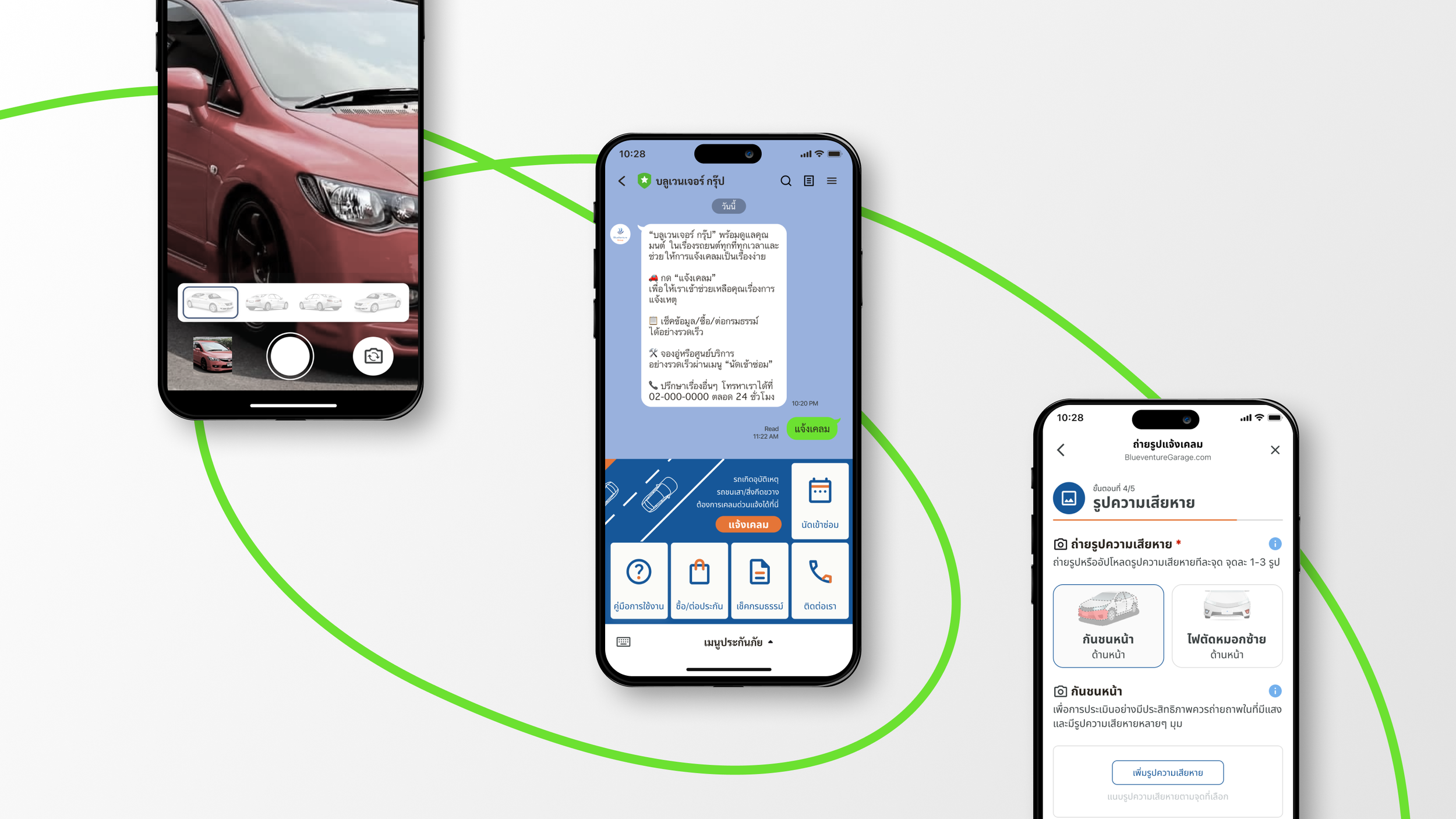
My Team
Members :
2 people
My roles :
Customer Experience Designer
User Interface Designer
Researcher
User Experience Writer
Deliverables
Research
Persona
Customer journey
Conversation flow
Design system
Hi-fidelity prototype
Interactive prototype
Usability testing report
Final presentation
Specifications
System
iOS, Android
Project duration :
1.5 months (6 weeks)
Tools :
Figma
Adobe Illustrator
Overview
When a car accident happens, the Inspector has to go to the accident location to inspect the damage and approve a claim. If the third party is still there, it’s a fresh claim, if not, this claim will be a dry claim. This project focuses on dry claim as it has more limitation and take time than fresh claim.
To reduce the time to request a dry claim, we will provide a service in which users can picture the damage on their car by themself and send them to insurance for inspection at a convenient time. By doing this, users don’t have to wait for an inspector and go to a safe place to request a claim, called self-claiming.
To precisely detect damages on a car, an inspector has to clearly see the damage and list those damages to approve a claim. These days, smartphone cameras give better photos than many years ago. Many insurance companies have used this method to improve their self-claiming services because this can reduce time in the claiming process efficiently.
In Thailand, the Line application is widely used among teenagers, workers, and officers who also use cars, so we aimed to integrate this service with the Line application, which can use a chatbot, to gain more accessibility to our service.
Problems
The procedure of claiming service seems difficult and takes time to complete.
Too much information is required when claiming
Lacks of understanding of the insurance claiming process
Expected Solutions
Reduce time-consuming when requesting a claim by simplifying the process into a less complex one.
Request only necessary information from a car owner, and get others from Insurance instead.
Create a platform where car owners can request a claim by themselves anytime.
Implement AI technology to claim faster and reduce the workload of the insurance call center.
Find Out What’s Behind The Problems
Many insurance companies have introduced self-claim services, also called online claim services, and have been used for a while. But those services are well-developed? Is it really convenient for their customers throughout the claiming process? We wanted to find out about this self-claim service more.
To uncover problems, my team decided to conduct research by conducting a 1-on-1 interview with a real car owner. This will help the team know the overall claiming process and the problems, that users may experience during requesting a claim.
An interview
We decided to conduct research through an interview because There are no resources we can use as a strong reference or provide us with enough insight to uncover the problem of the self-claiming process.
Participants
We wanted to get insight into the self-claiming process and actionable feedback or suggestions about using this service.
We have 5 participants who can give us an interview, and they have a qualification below.
A person who uses a car frequently. (this will narrow down our target users)
They have their own car insurance. (to make sure that the user has some knowledge of the insurance)
Experienced a self-claim at least once. (to get an insight into self-claiming service experience)
Questions
The questions were about the process of self-claiming service and the procedure that users have experienced from start to end. Also, as we wanted to implement the Line application with claiming service, we included some questions about using this application in our list.
Some of the questions.
Where do you hear about self-claiming services from?
Could you please tell me about the experience of using a self-claiming service?
Are there any problems that occurred while using a self-claiming service?
What do you expect from using this service?
If we implement this service with the Line application, are you willing to use it?
Some of The Answers We Got From an Interview.
“I don’t know what kind of documents I should prepare for requesting a claim“
“I used this service because of the suggestion from a call center, and it sounds interesting so I gave it a try“
“When they prompted me to picture damages, I don’t know what a photo they needed“
“The procedure was too complicated, had no guidelines, and took such a long time for me“
“This service should shorten the time of my claiming process“
“Why did insurance request so much information? They should have my information since I made contact with them“.
“I did request a traditional dry claim once, but this self-claiming service was good, as I don’t have to wait for an inspector and I can request “
Define Problems From an Interview.
We got feedback and suggestions from interview sessions, and then we analyzed and made them into cards using Figjam. All cards were grouped and categorized to make it easy to understand for the team or even stakeholders.
We also listed the suggestions from the interviewees that could be a good idea for improvement.
The concerned points.
Knowledge of a car. (eg. car parts’ name)
Knowledge about car insurance.
How to take pictures of the damages.
Complicated procedure.
Security (eg. reliability, the accuracy of information)
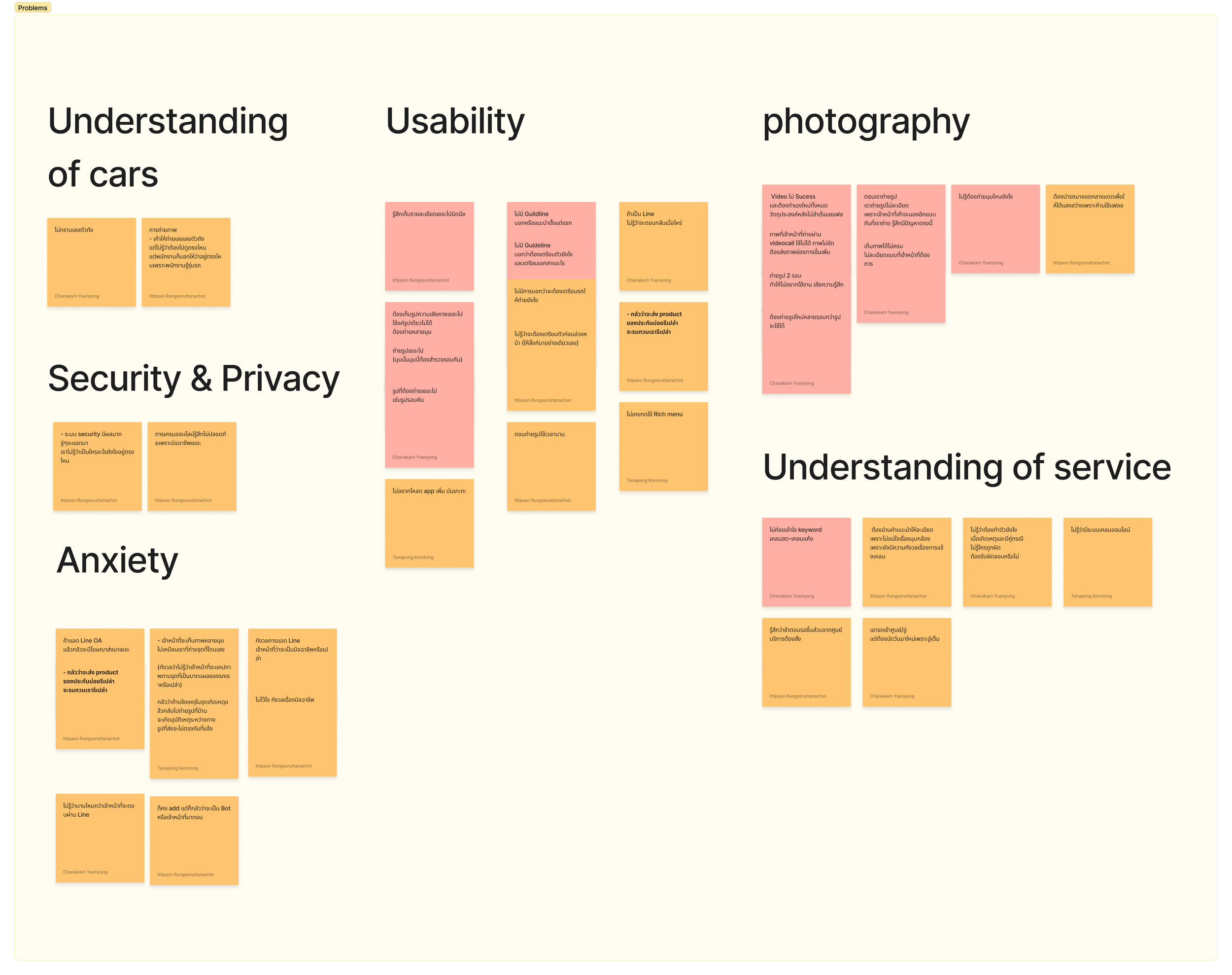
All the problems are grouped.
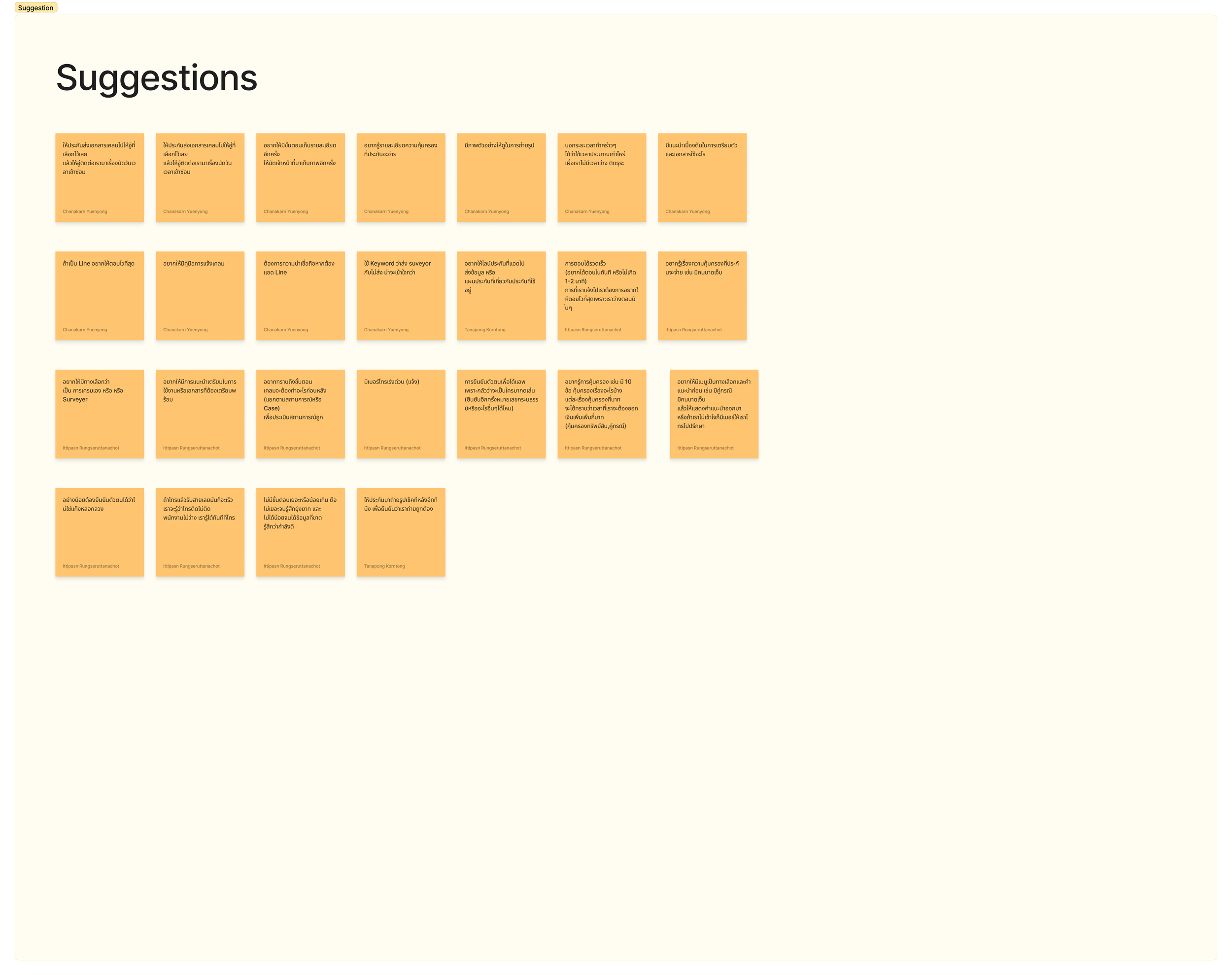
Suggestions form our interviewees.
Key to Success Through Persona
By analyzing our interviews, we can finally create a persona!
Our participants enlightened us not only with their answers about claiming experiences but also their personal lifestyles as well. They share many things such as their brand-new car, driving behavior, likes and dislikes, their favorite social media, and much more.
This persona was created from all the information we got from interviews and summarized into an interesting persona. It will be a foundation for all of our processes such as a design system, words that we are going to use, customer journey, theme, etc.
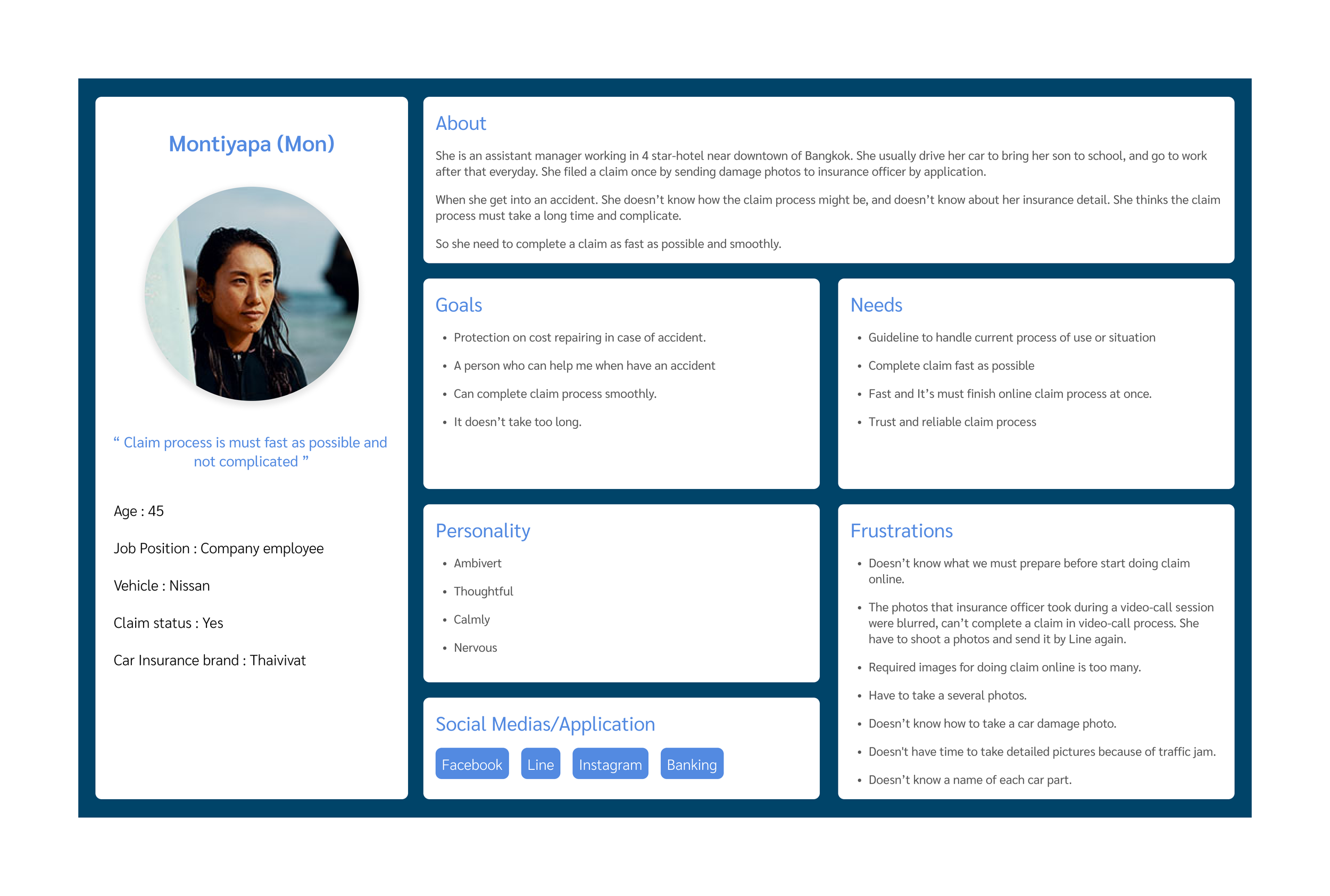
Montiyapa is a working woman who has active lifestyle.
Let’s Come Out With an Idea!
To generate excellent ideas, a comfortable environment is essential.
After we learned many problems and opinions about using self-claiming, we brainstormed and worked out more about how could we find the opportunity to improve our service from the discovered problems.
We had 5 participants, and those were our talented colleagues, to join this session of ideation, and each section took 10 minutes to come up with any ideas. Then, we grouped those ideas and everyone described their own to the team to understand their ideas. Finally, Each member gave a vote to the ideas that would solve the problems that users experienced.
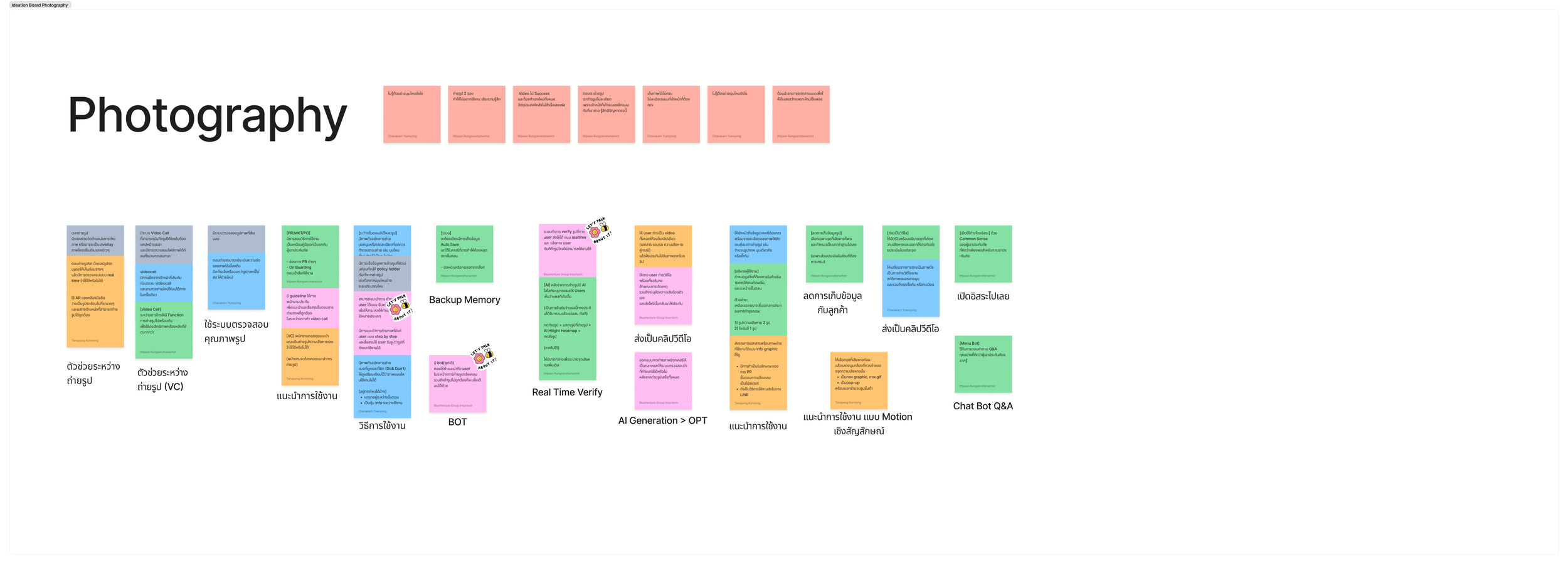
How can we guide them to take a picture of car damages.
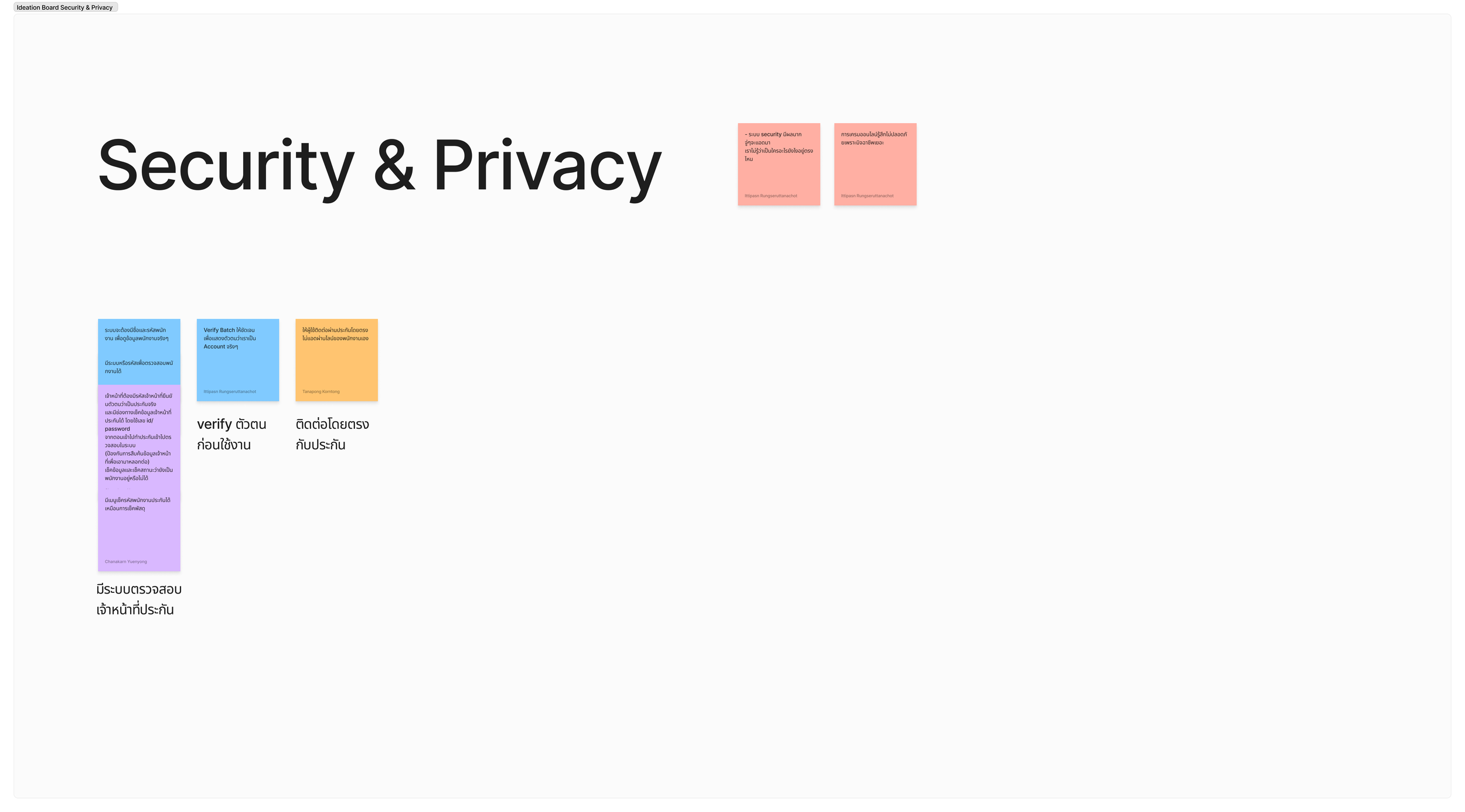
Making our service reliability.
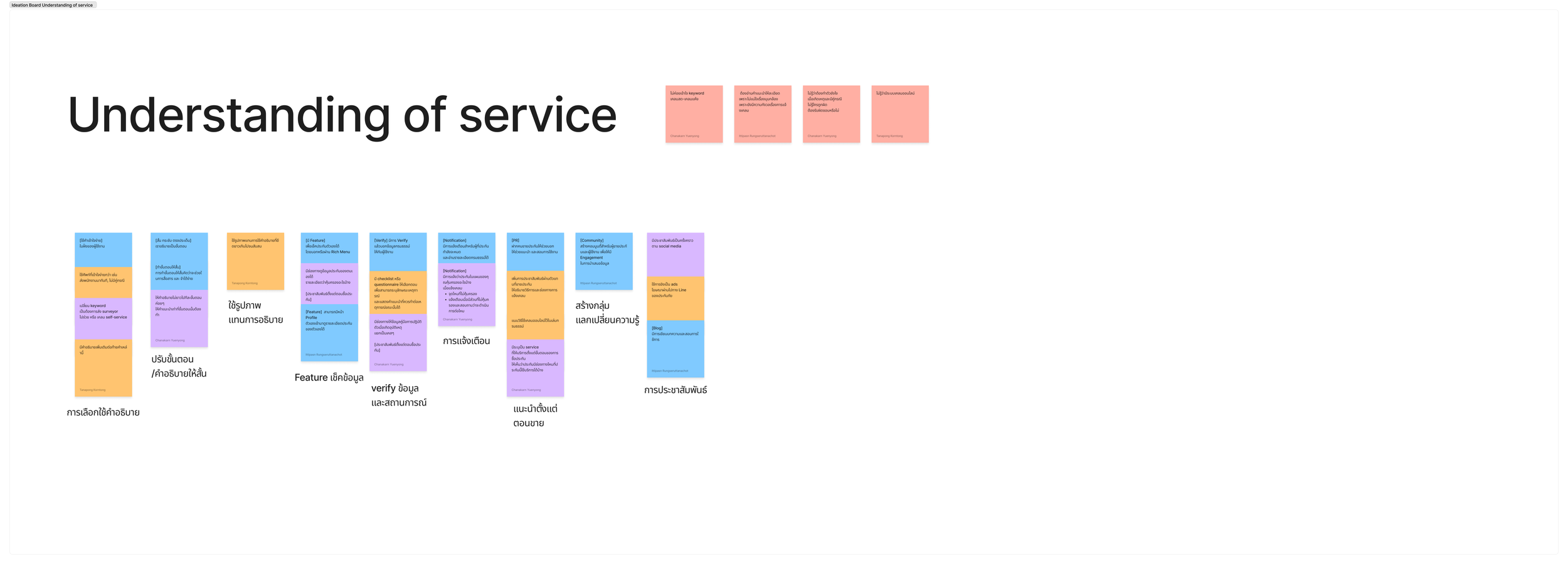
Ideas about giving a knowledge of claiming service
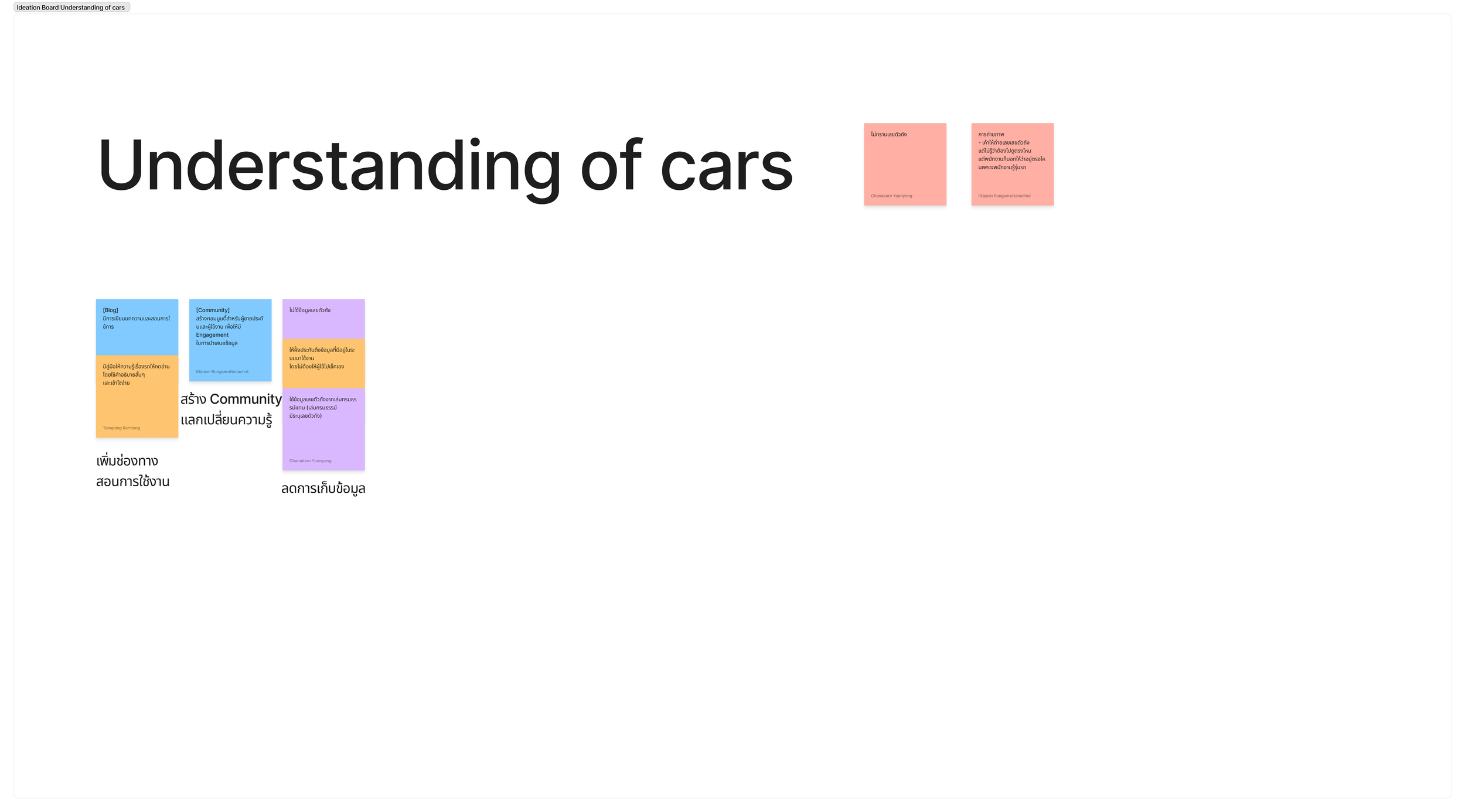
If users don't know car parts.
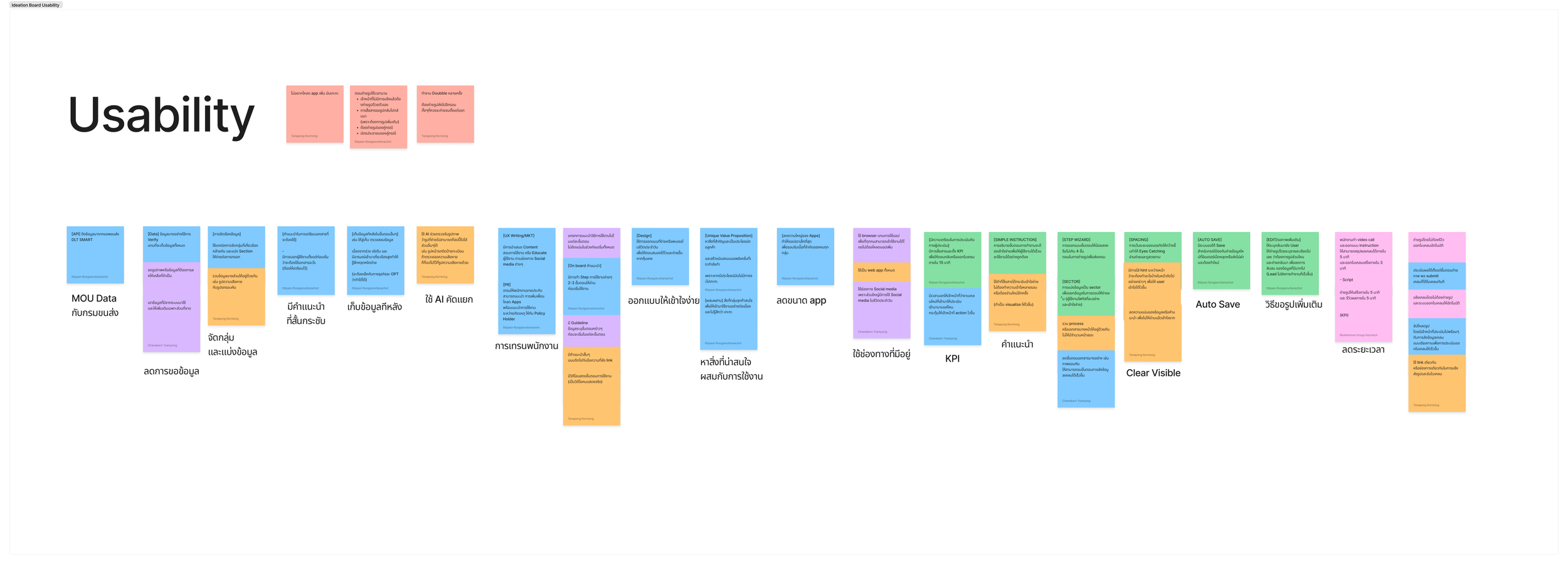
Other things about usability.
Creating The Customer Journey
The entire journey is based on research that we conducted from an interview combined with information from our supervisor who expert in traditional claiming service.
The customer goal was separated into stages, and each stage contained the activities of the user, which included time consumed, the user’s emotions, experience, expectations of the user, and opportunities to improve in each stage.
Opportunities and Critical Thinking
The ideas to improve the service came from the ideation phase, which we brainstormed with the team earlier. We carefully read all of the voted ideas and picked them for each stage that we considered would make an improvement.
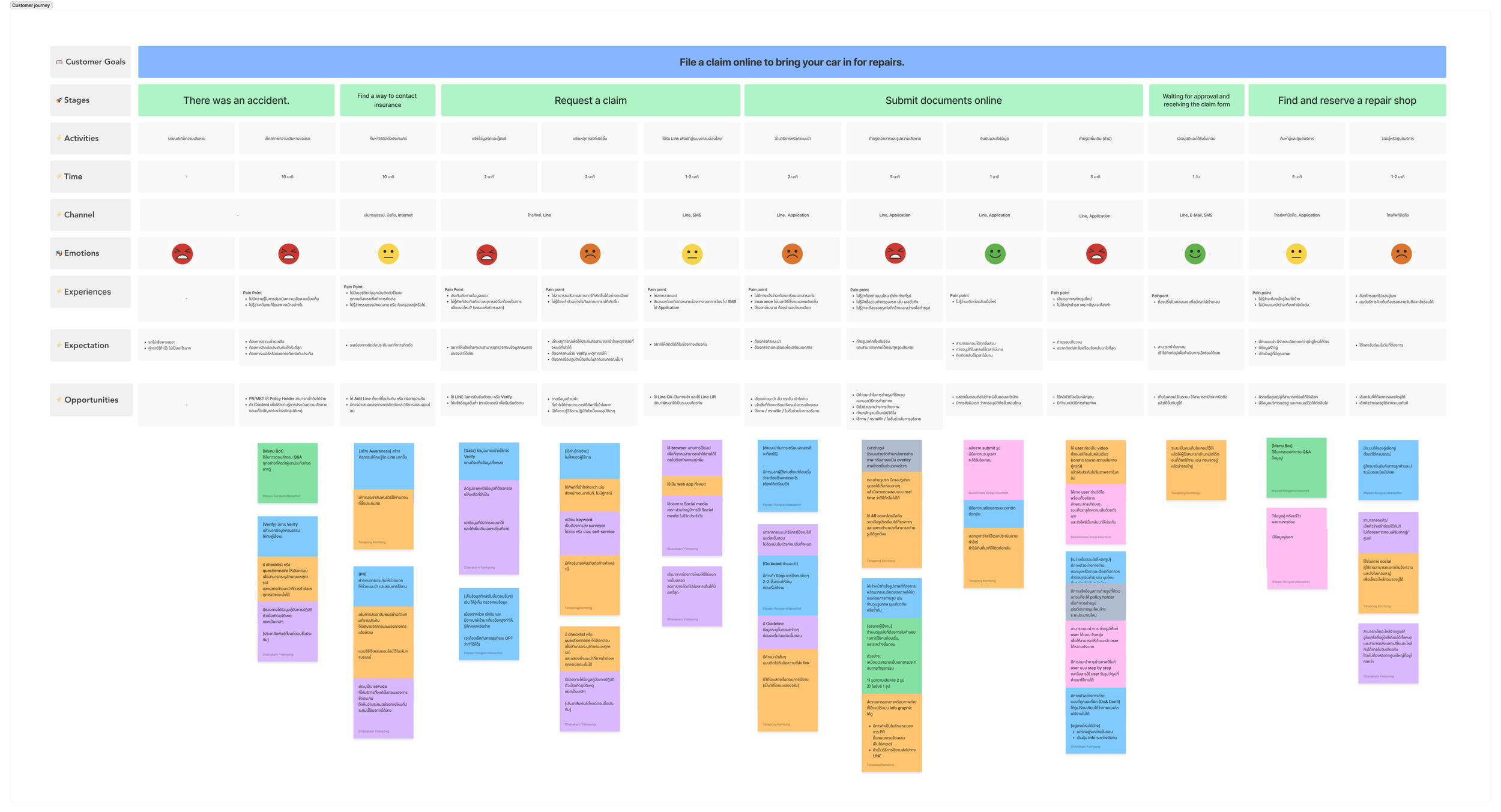
Customer journey with actionable ideas for each status.
Implemented Technology Into Our Service.
The idea that many stakeholders agreed with was using the “Line Official Account (Line OA)”, “Line Mini App“and the “Line Chatbot” which uses auto-message technology to support the user when requesting a claim. After researching deep down into this idea, there are many benefits for our service such as a reduction in workload and time-consuming, the accuracy of the information, 24-hour support, and much more.
Competitive Audit
We tried some of the other companies’ Line OA services and found out about the pros, which we kept as a reference, and cons, which we avoided doing. Most of the services we tried did not use Line Mini App technology for their service, so this method would be a significant opportunity for the business.
User Flow
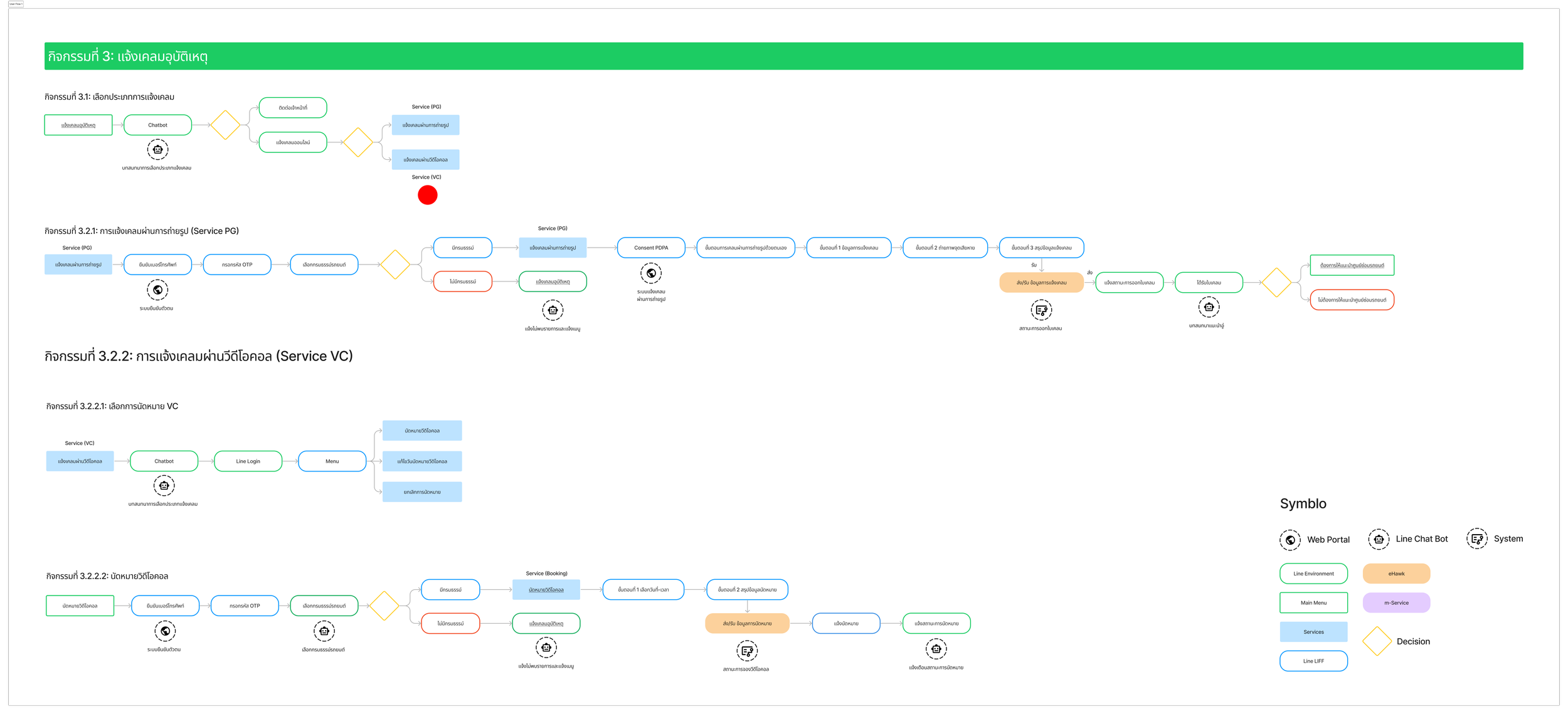
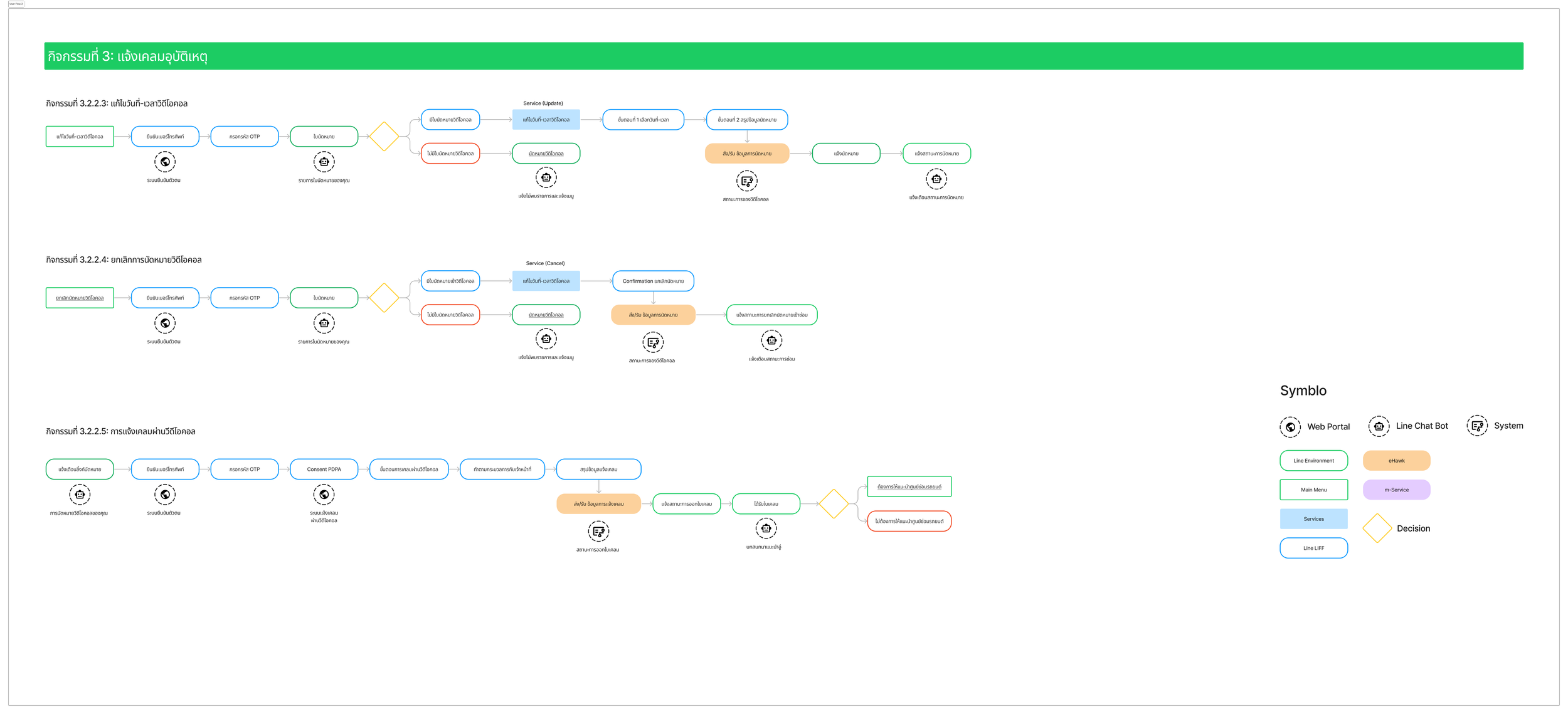
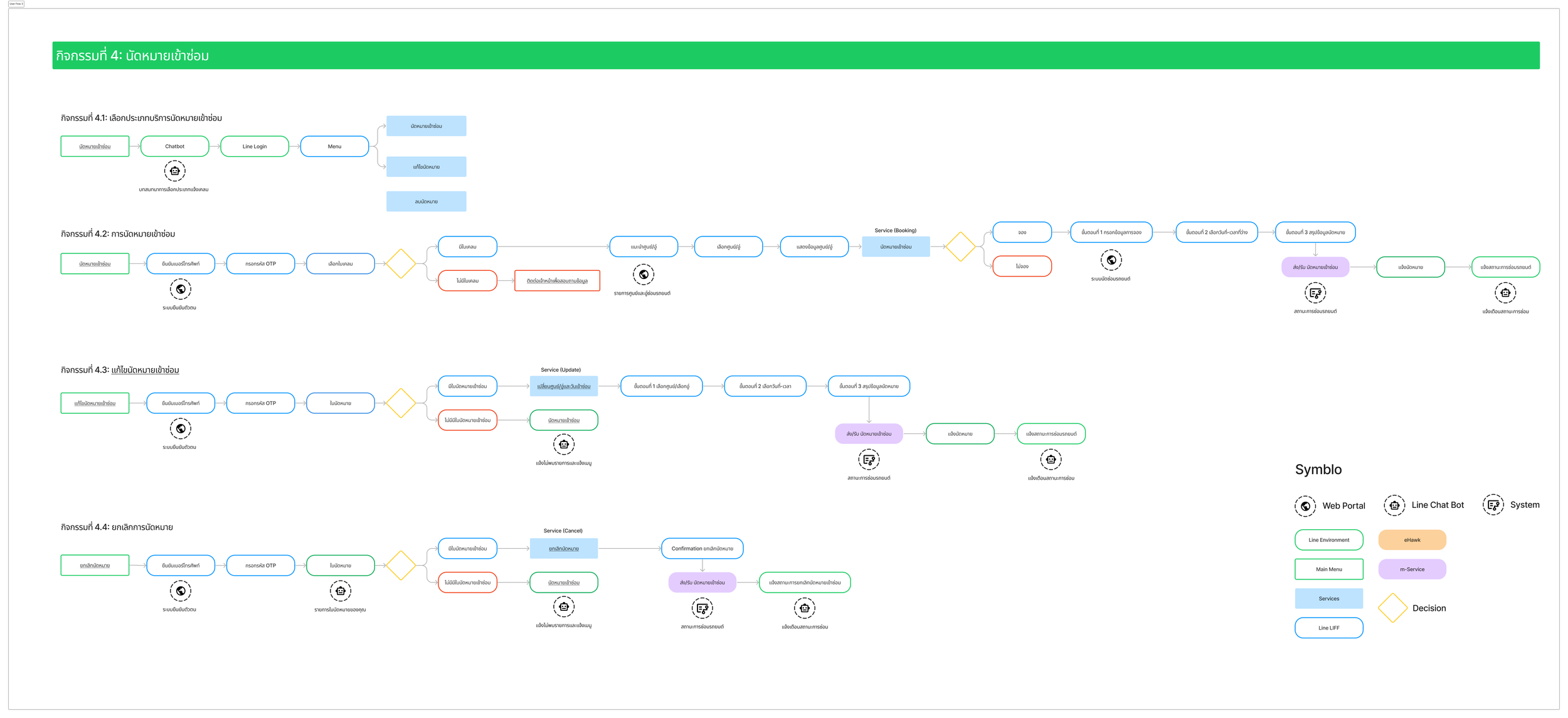
The user flow is informed by interviews and advice from our supervisor, it starts from the menu in the Line application called “Rich menu” which can be customized into many designs. There are 6 choices that the user can choose from this Rich menu (eg. request claim, Check the service center availability.) and the flow ends after the user gets their claim.
The points that this flow focused on.
Sequence of asking for accident details.
When the chatbot and the call center will take part.
Involved support process that makes the service run smoothly.
The Line Application
Another important thing was to research the limitations of using the Line OA, Mini App, and Chatbot through the Line application's developer site to make sure that our design would be compatible with most devices.
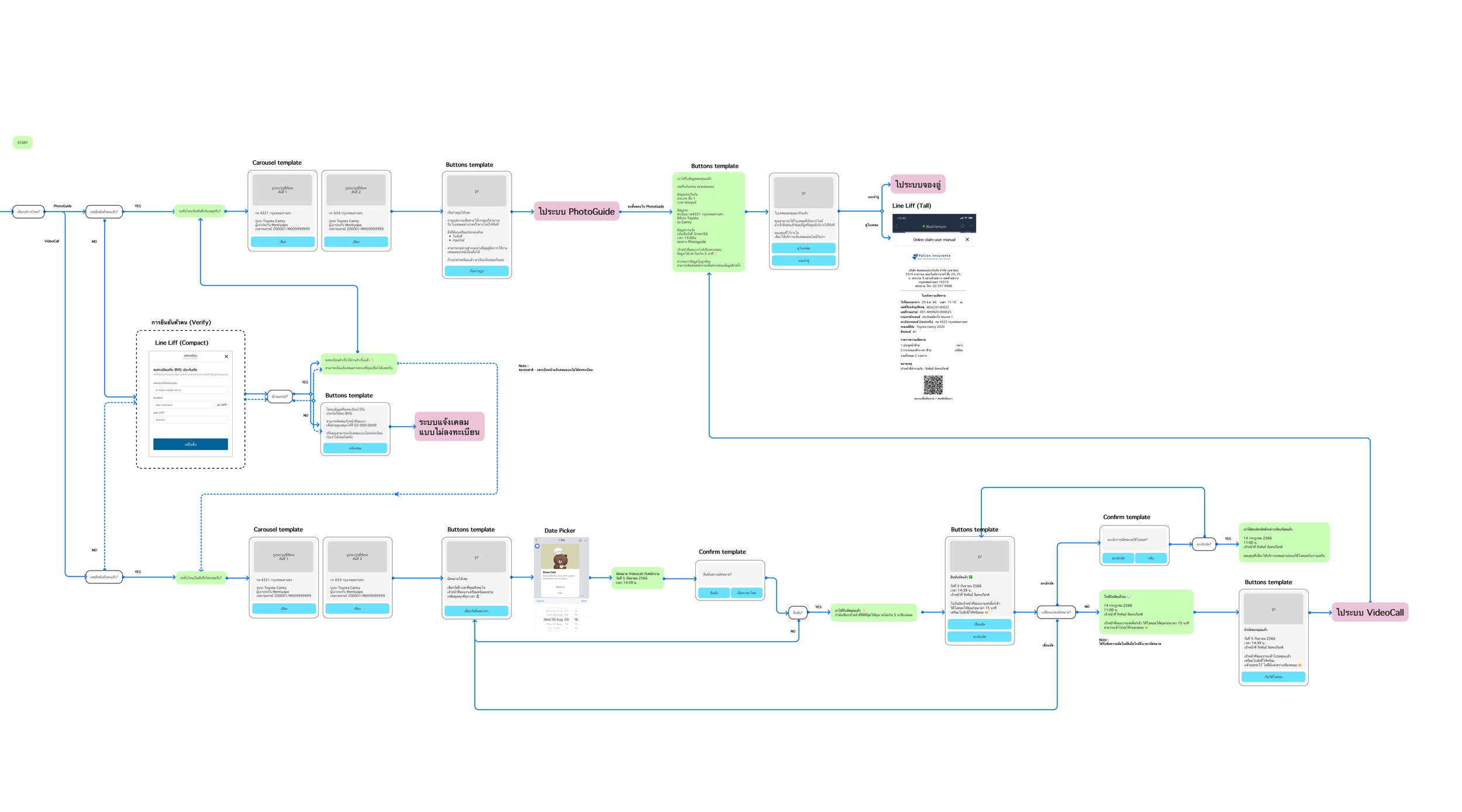
Conversation With Our Customers.
Conversation flow really takes part in this project quite a lot, it determines how our product will serve its purpose flawlessly for our customers. Think about when we get into an accident and need help from someone, the helper’s words will really affect our emotions and feelings.
In this design stage, we did another competitive audit by trying out other companies’ products to learn how to use words and sentences in many situations. For example, when asking for sensitive information, which wording should and should not be used, including the emotion of the sentence.
Tones of Voice
These are the feelings of the words, that we used in our conversation with the customer.
Give a friendly feeling. (Friendly)
Reduce formality to make it more approachable. (Conversational)
Information and knowledge are provided. (Informative)
show sympathy (Sympathetic)
Be straightforward and not blunt. (Frank)
Show concern. (Caring)
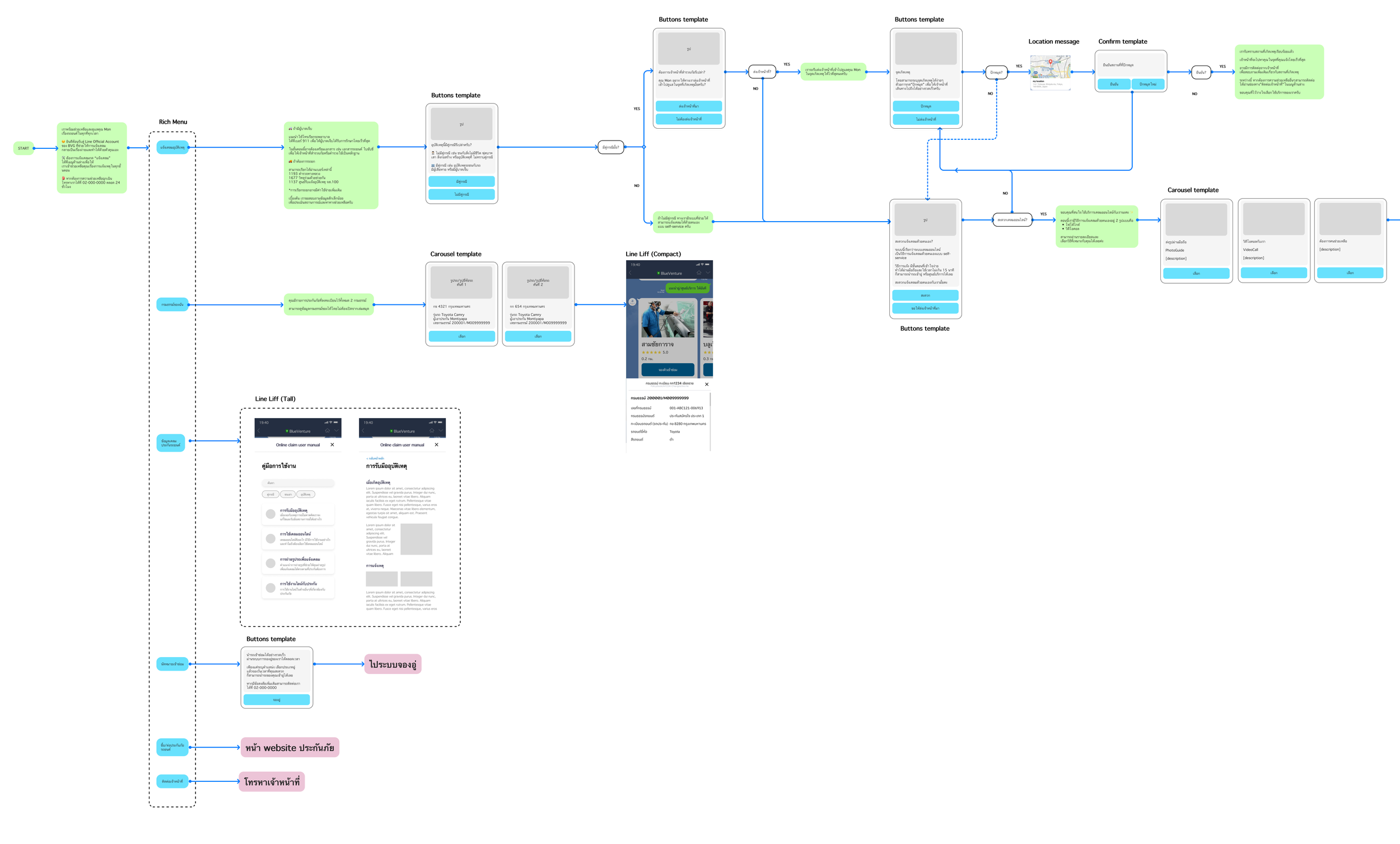
Conversation flow for Line official account
Build a Design System
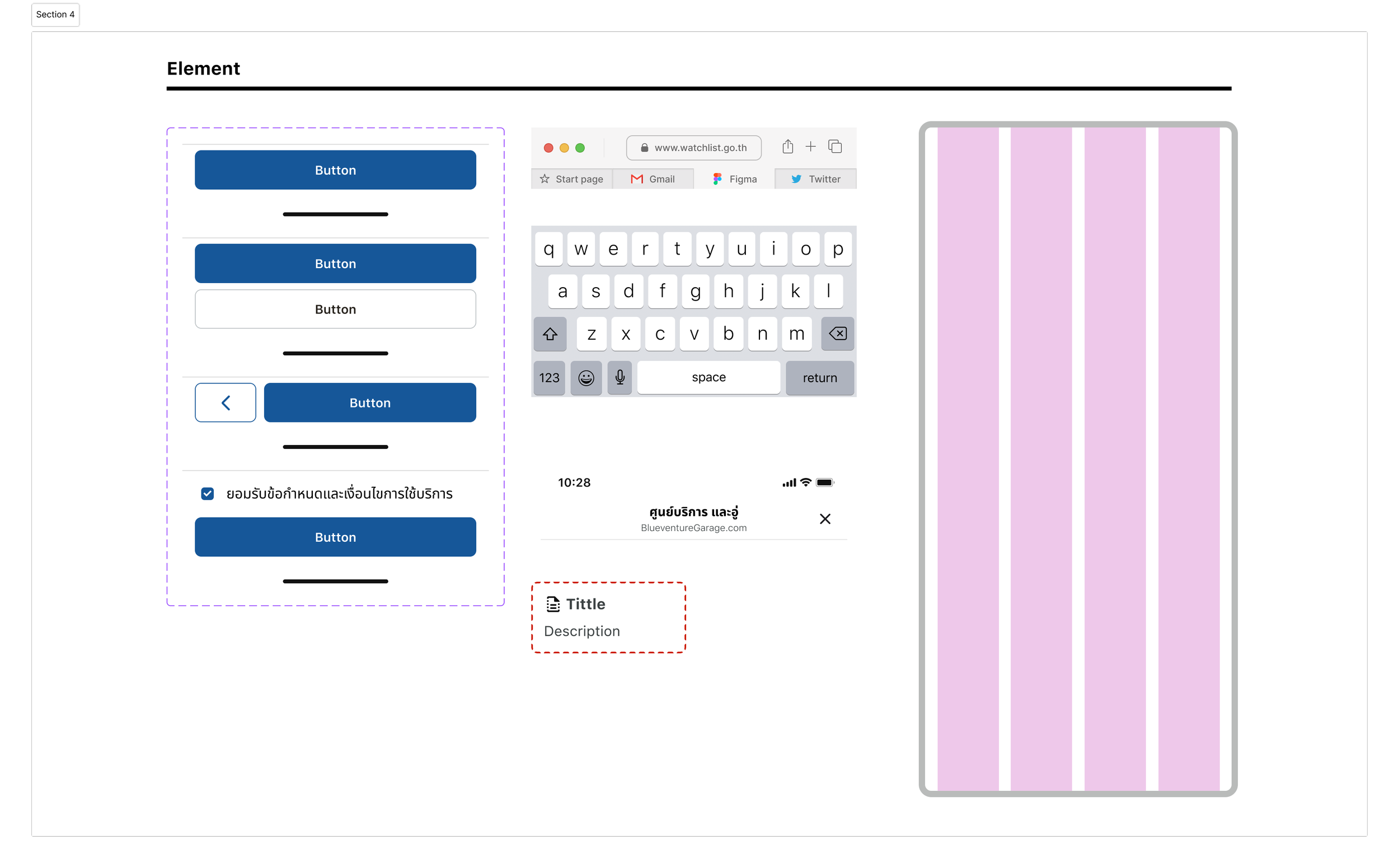
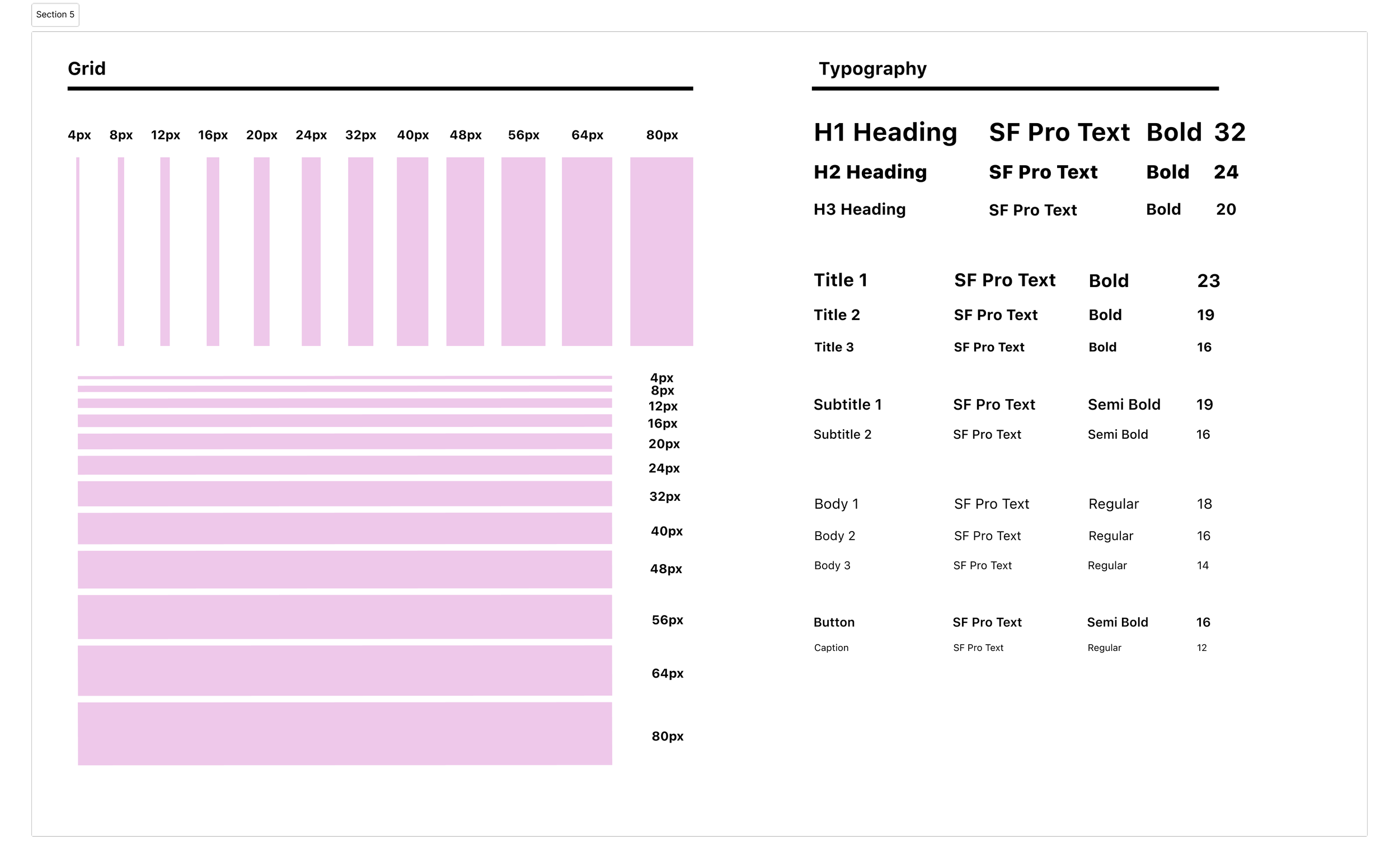
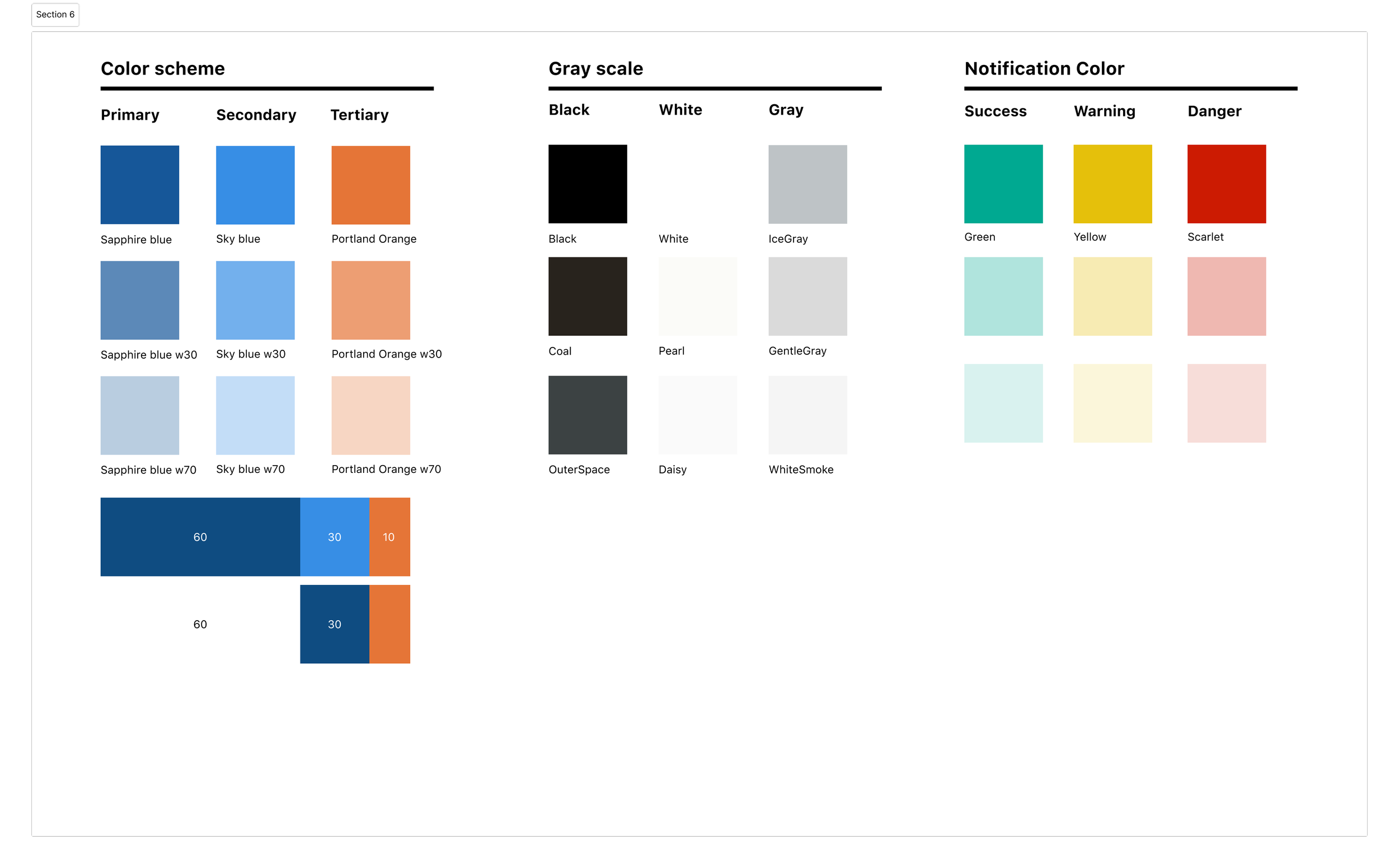
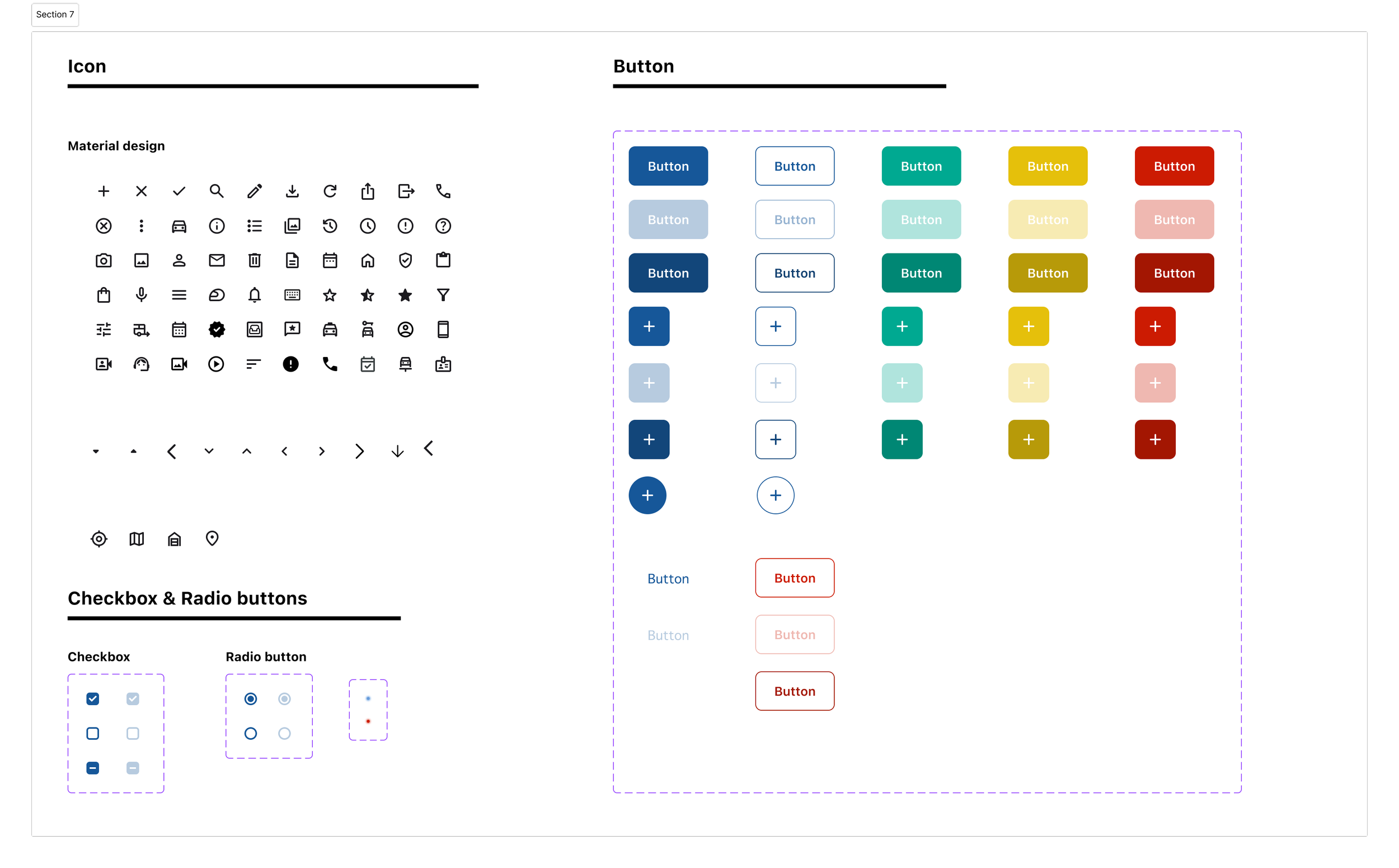
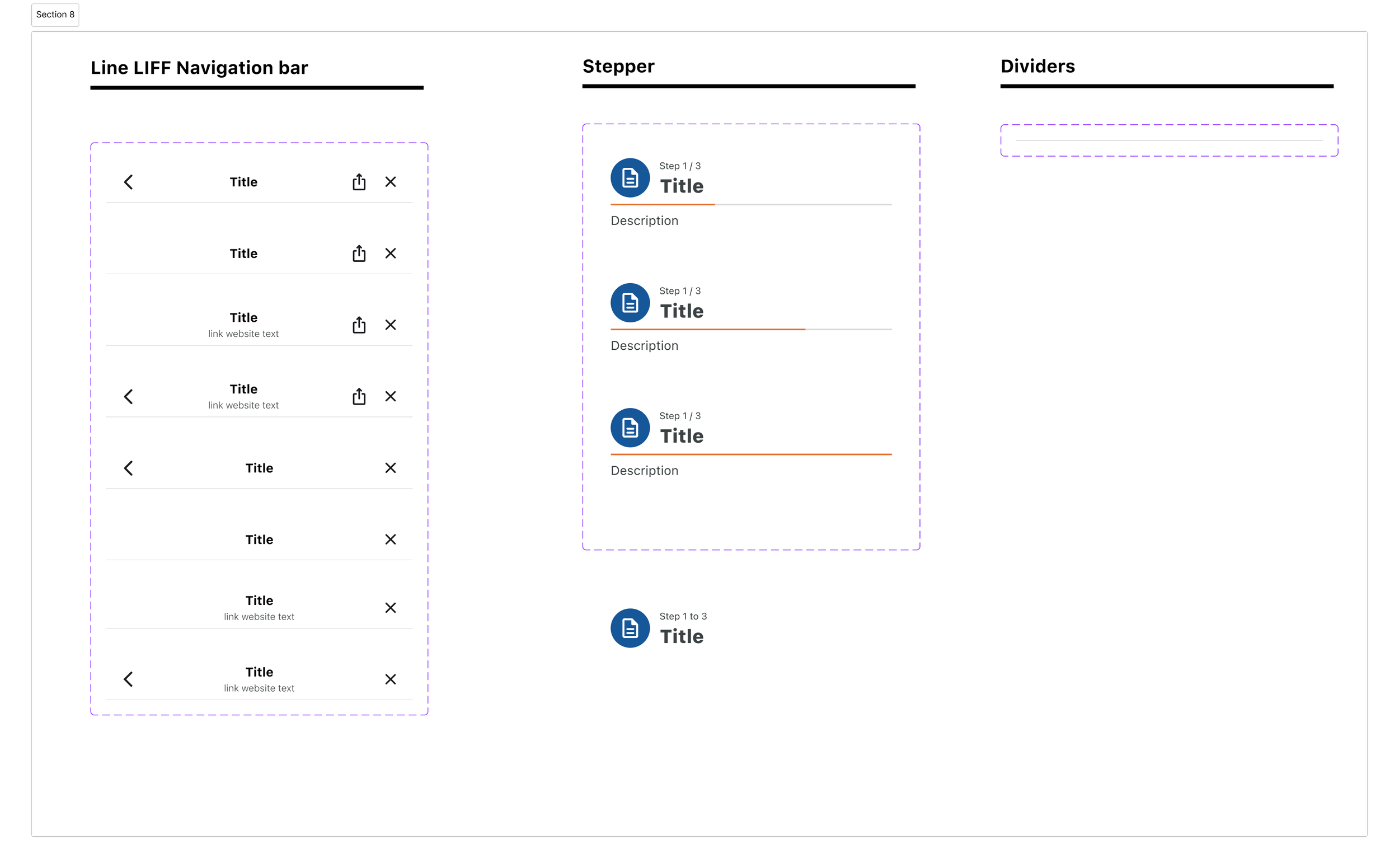
We wanted the design to be easy to use, organized, and efficient, each aspect is important to help communicate well to users.
In a modern sans-serif typeface, the letters are curved to reduce formality, but the base is square to show stability; The color palette is from the company’s color identity (CI); Blue is the main color that conveys trustworthiness with orange as an accent color; Outline icon makes the design doesn't look stiffness.
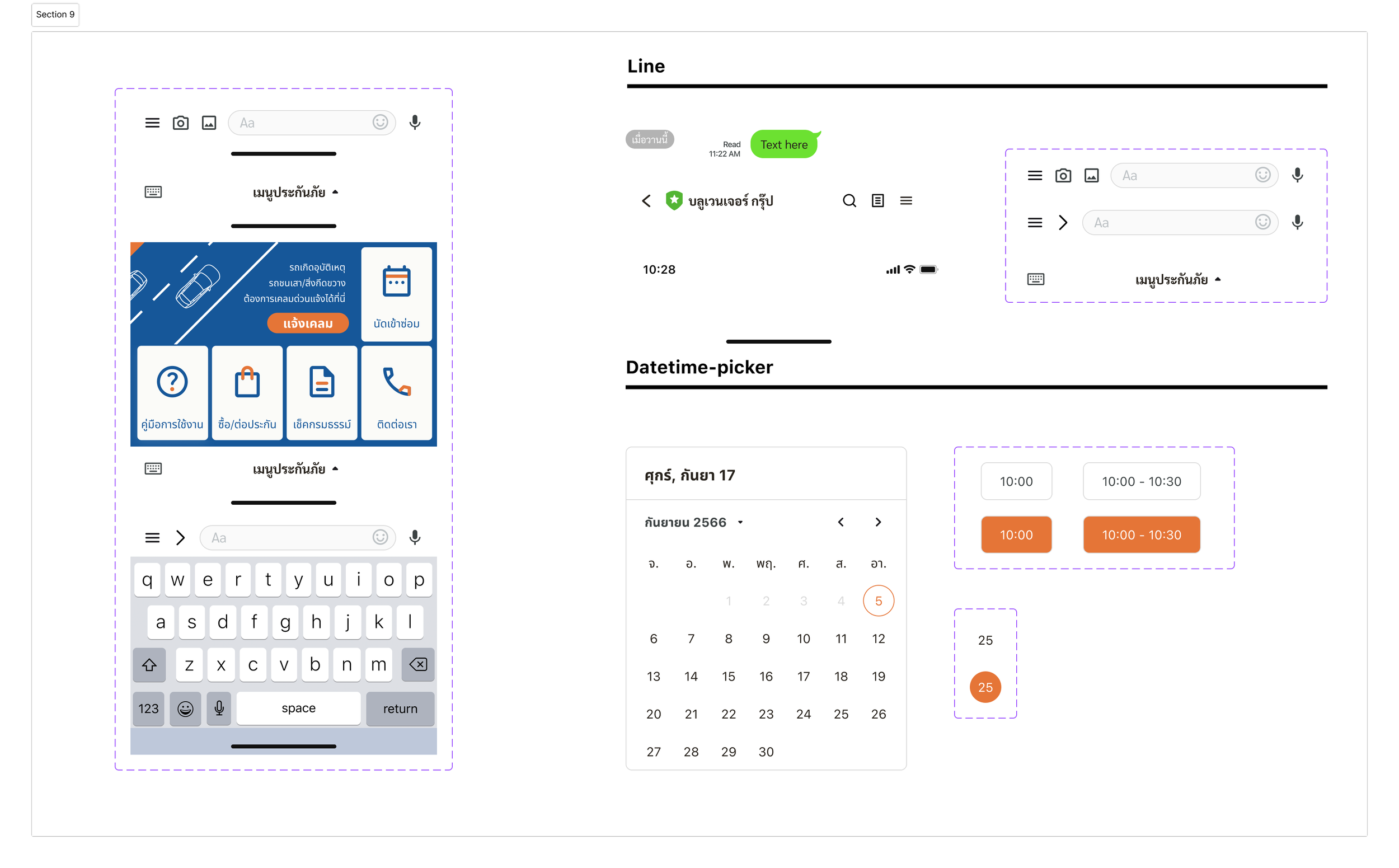
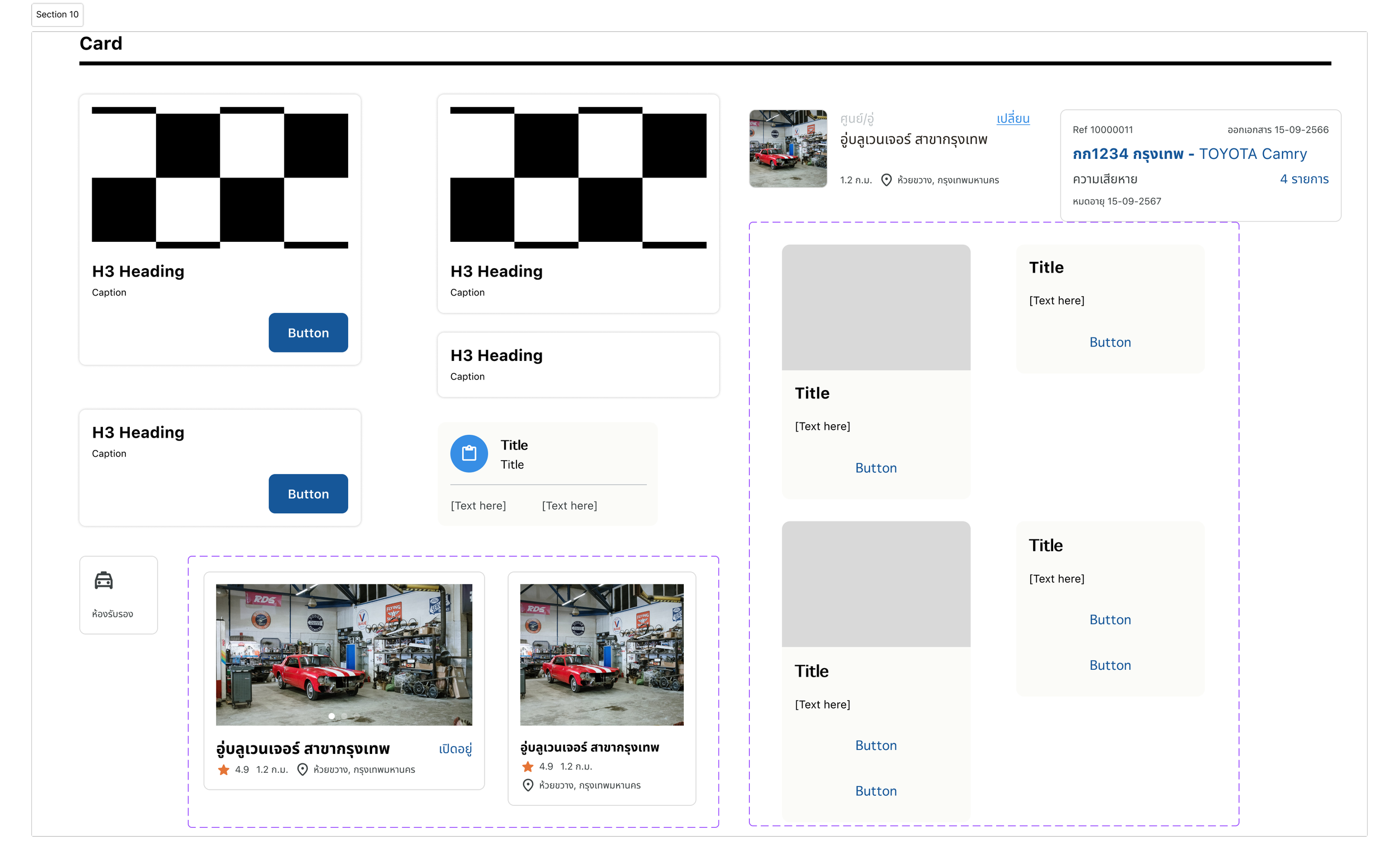
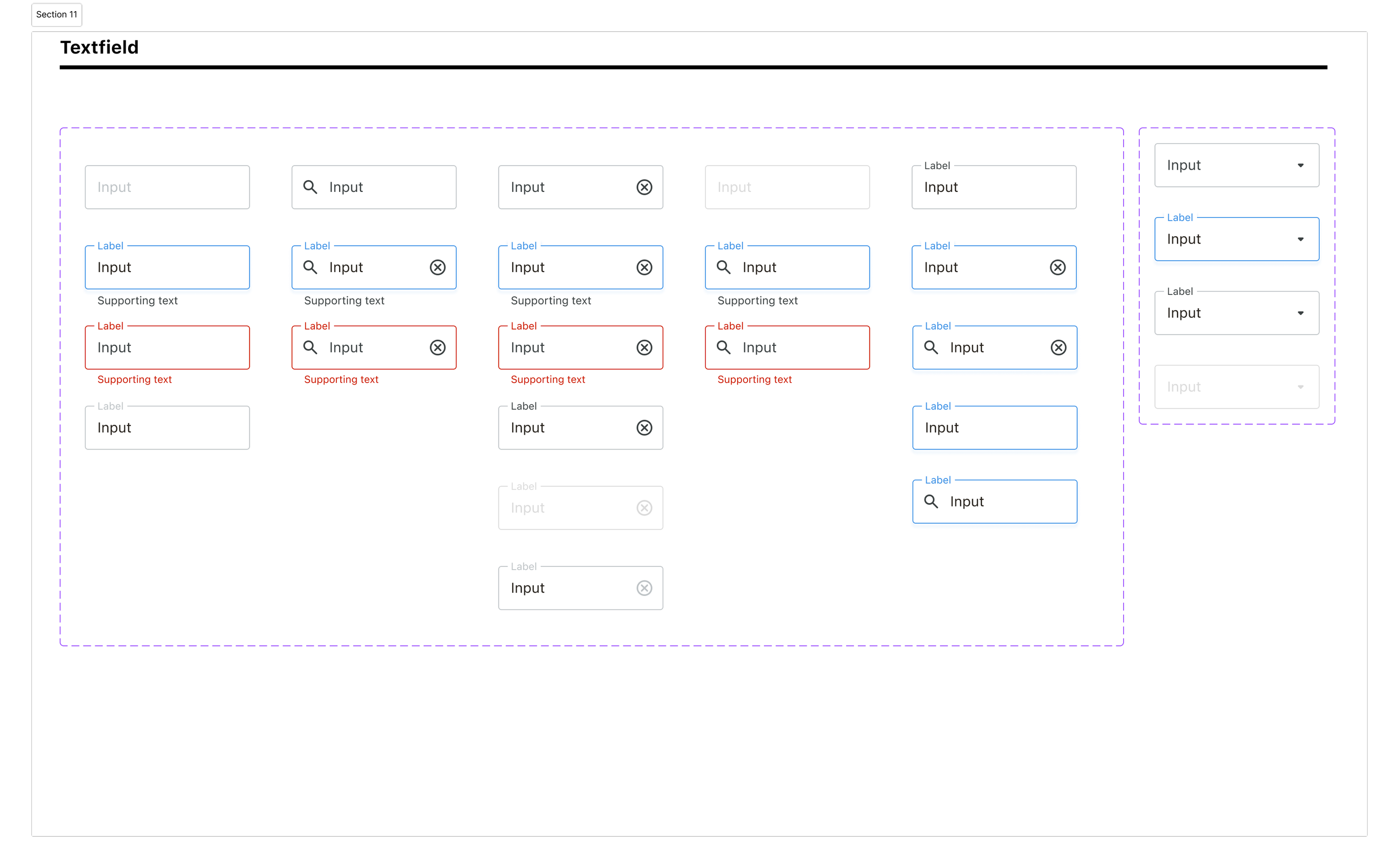
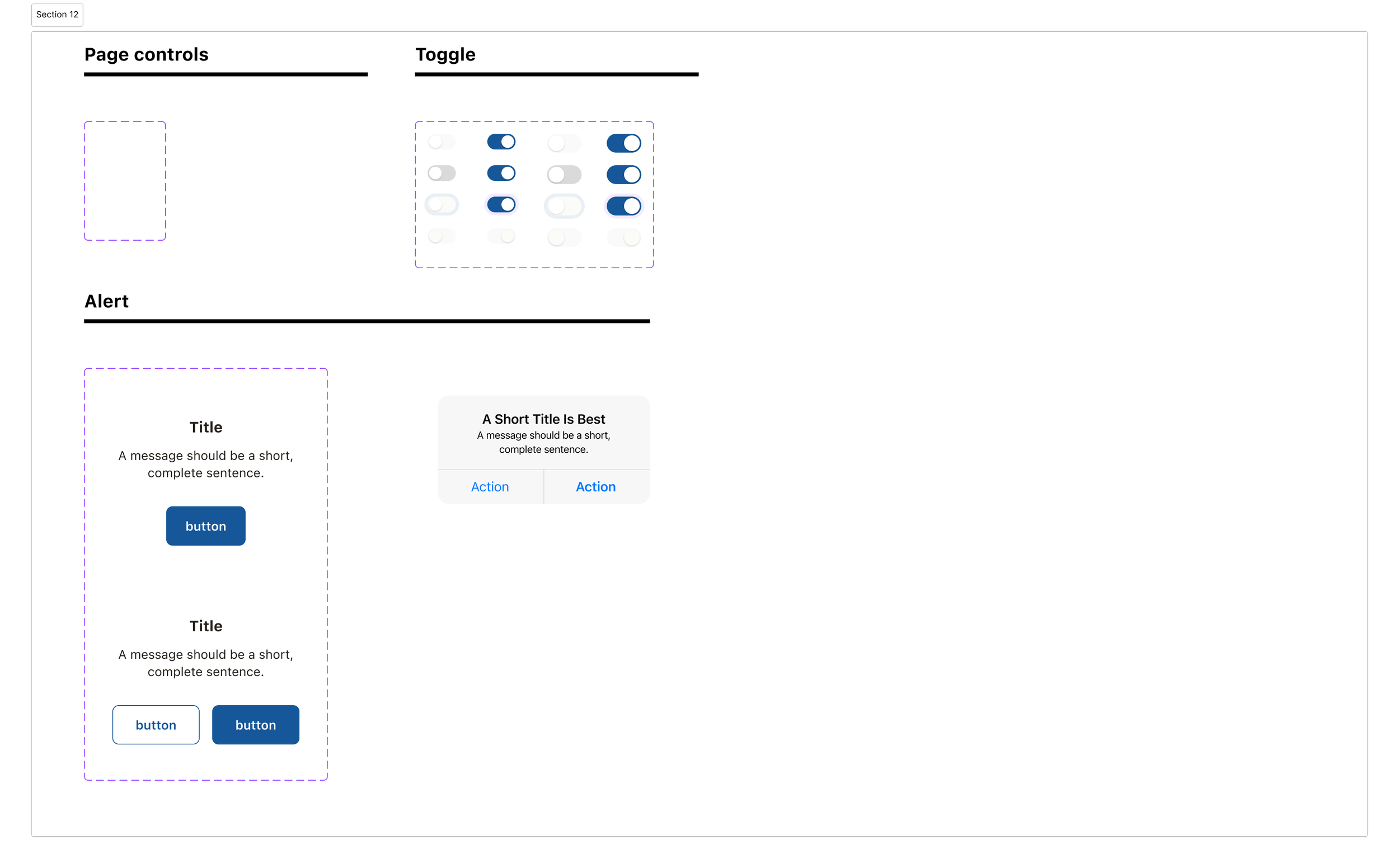
User Interface and Prototype
The high-fidelity prototype brought the designs to life and made users feel closest to a real product. Even though there are some that still need to be developed further, this prototype can do its job well when brought into a usability test phase.
These are tasks that this prototype can do.
Categorize accidents by talking with a chatbot system.
Access the LINE mini app to start requesting a claim.
Input the information such as a driver’s license.
Receive claim documents and reserve a service center.
The clickable prototype is below or click here for Figma.
PS. The prototype is only available in Thai. Some design screens can also be viewed below this section.
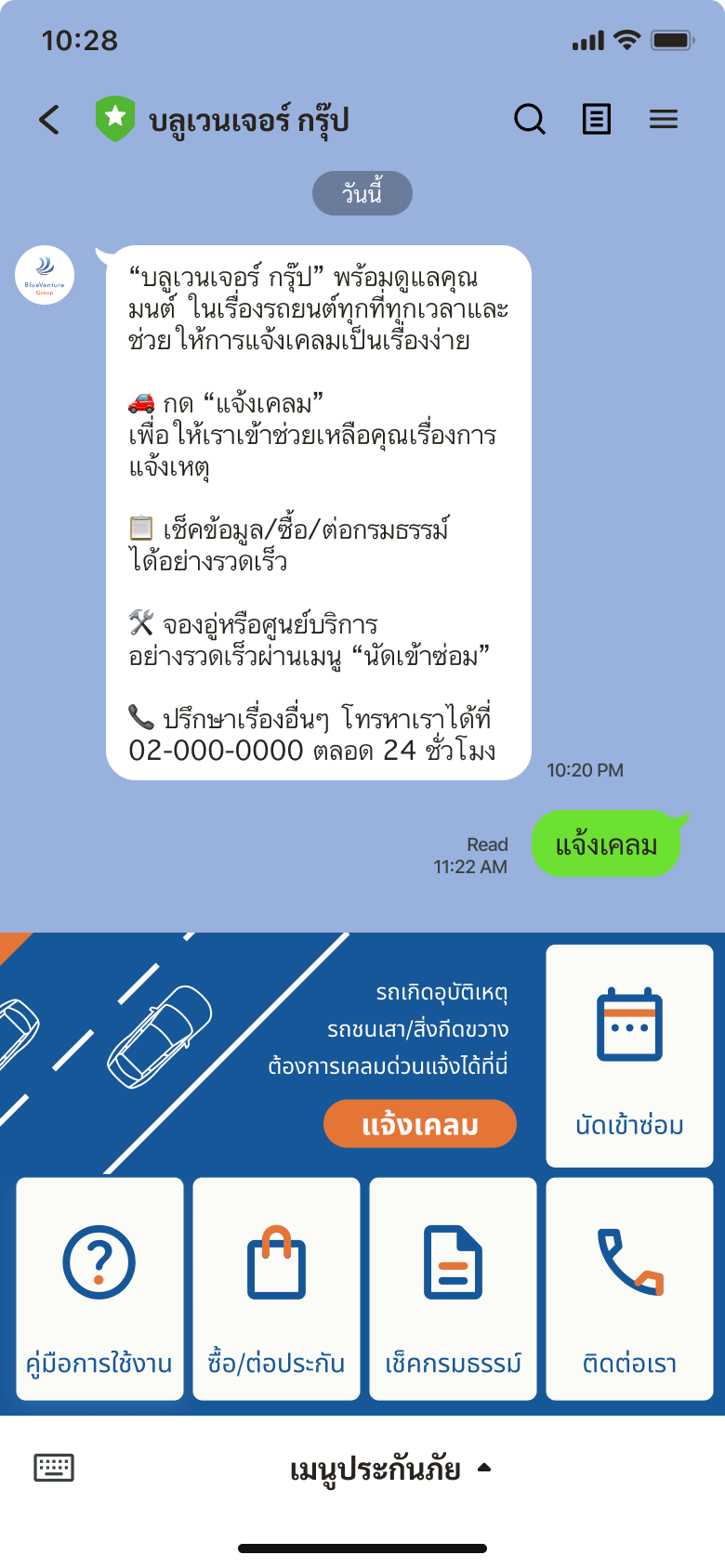
Line OA screen with rich menu.
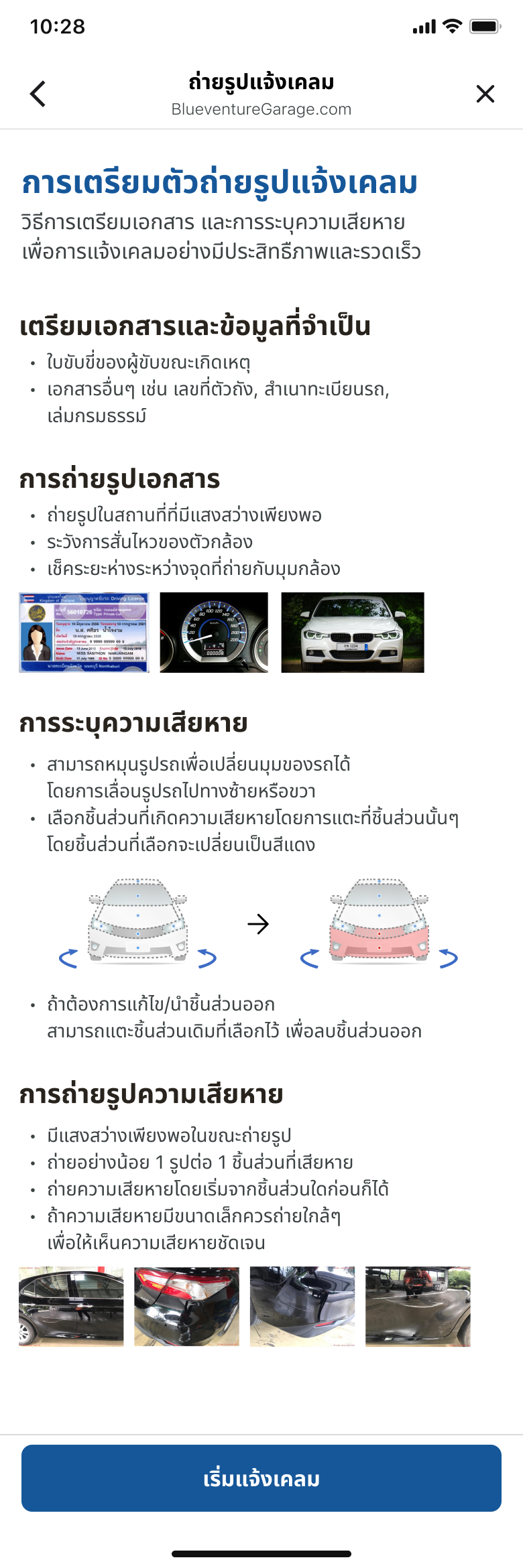
How-to-use & guide for claiming service.
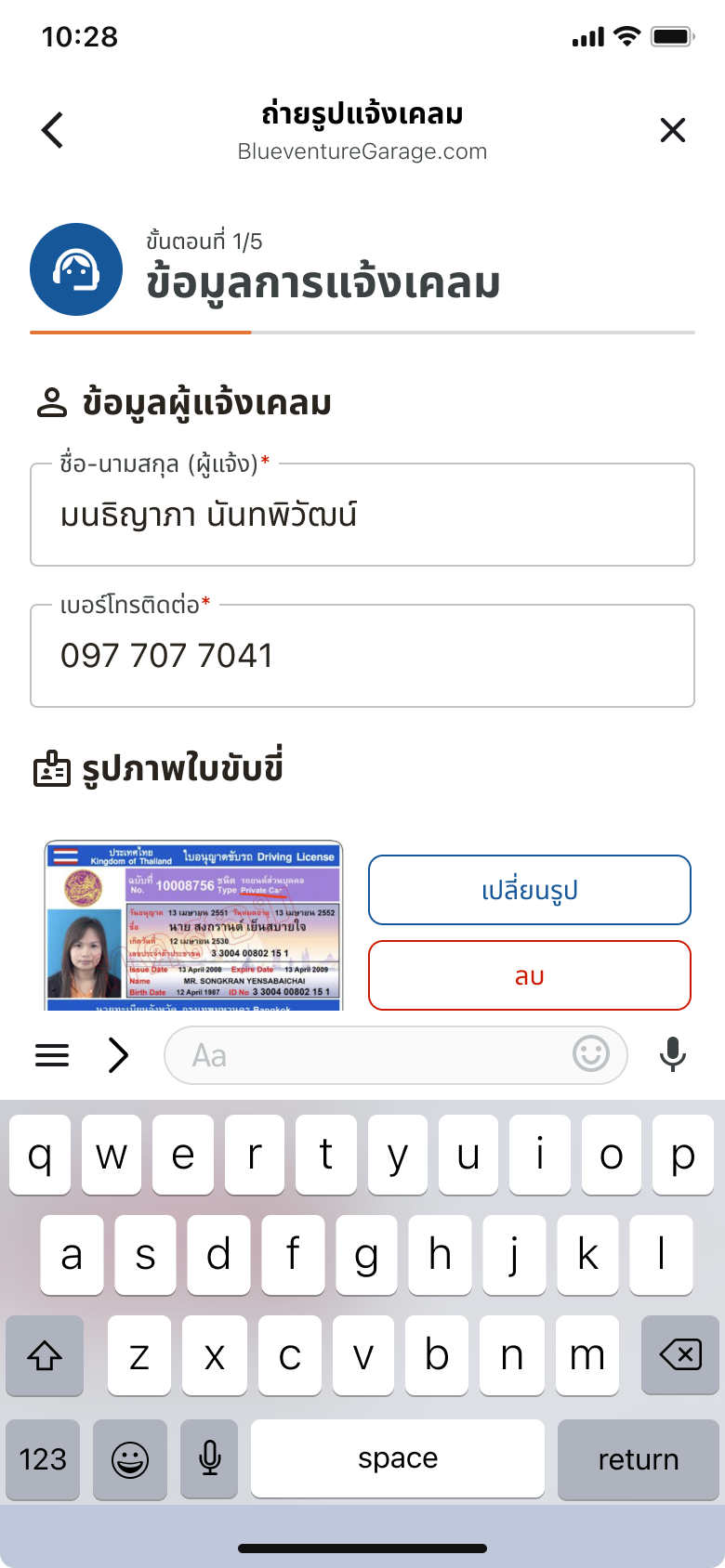
Driver's information.
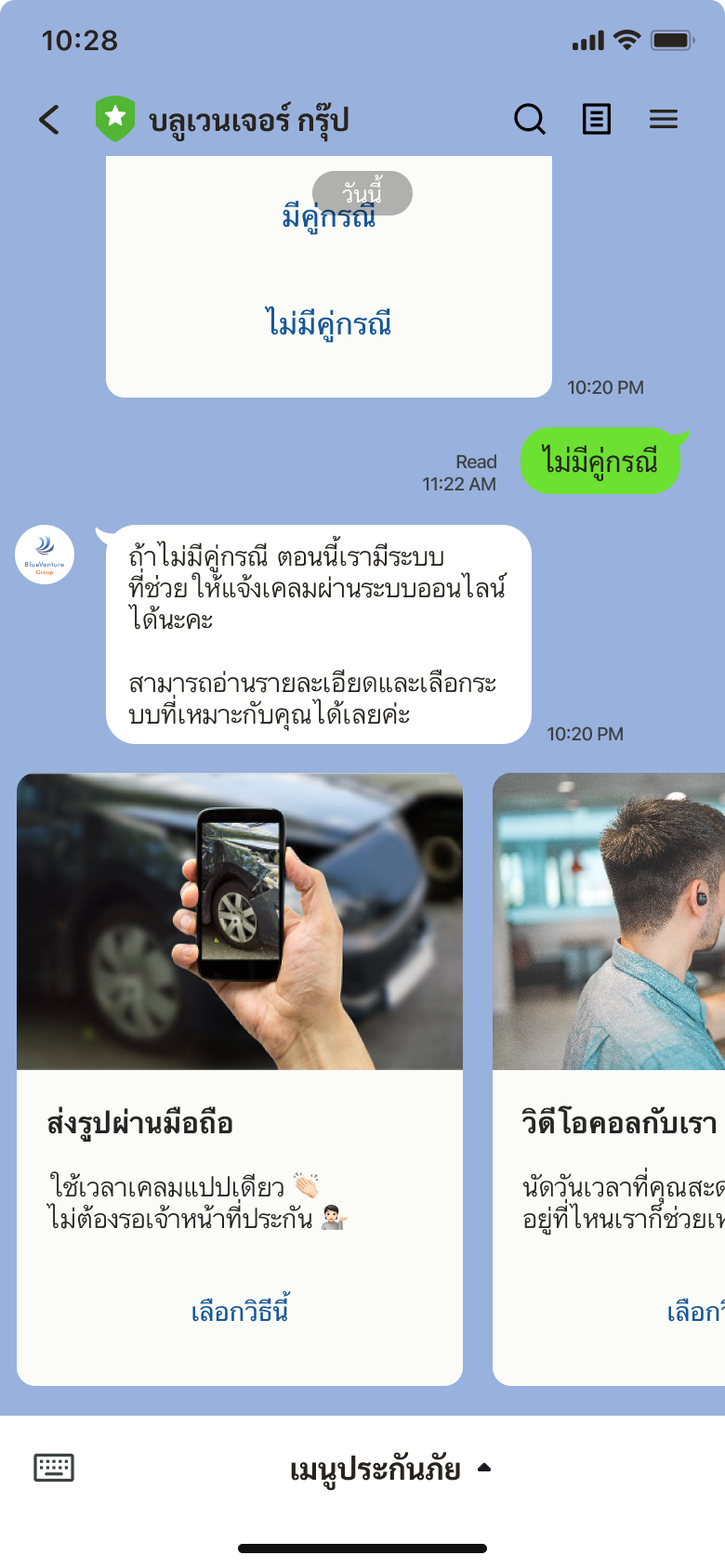
Claim methods selection.
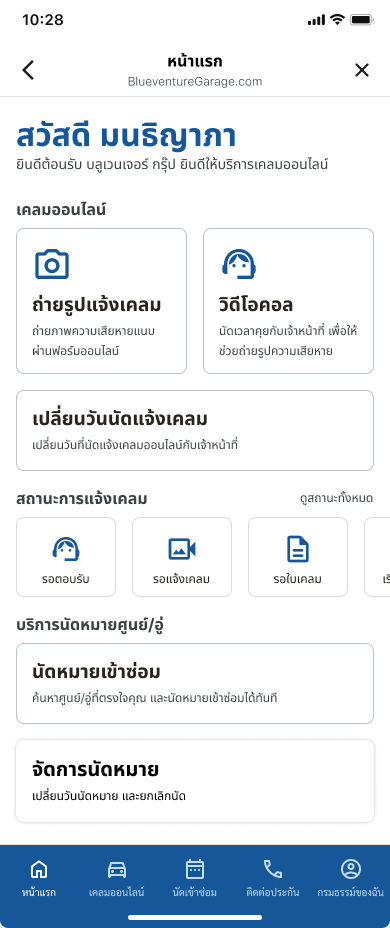
Line mini app first screen.
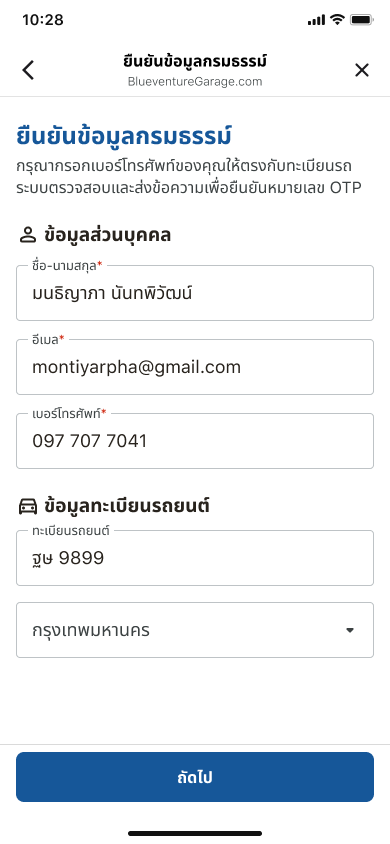
Input car details.
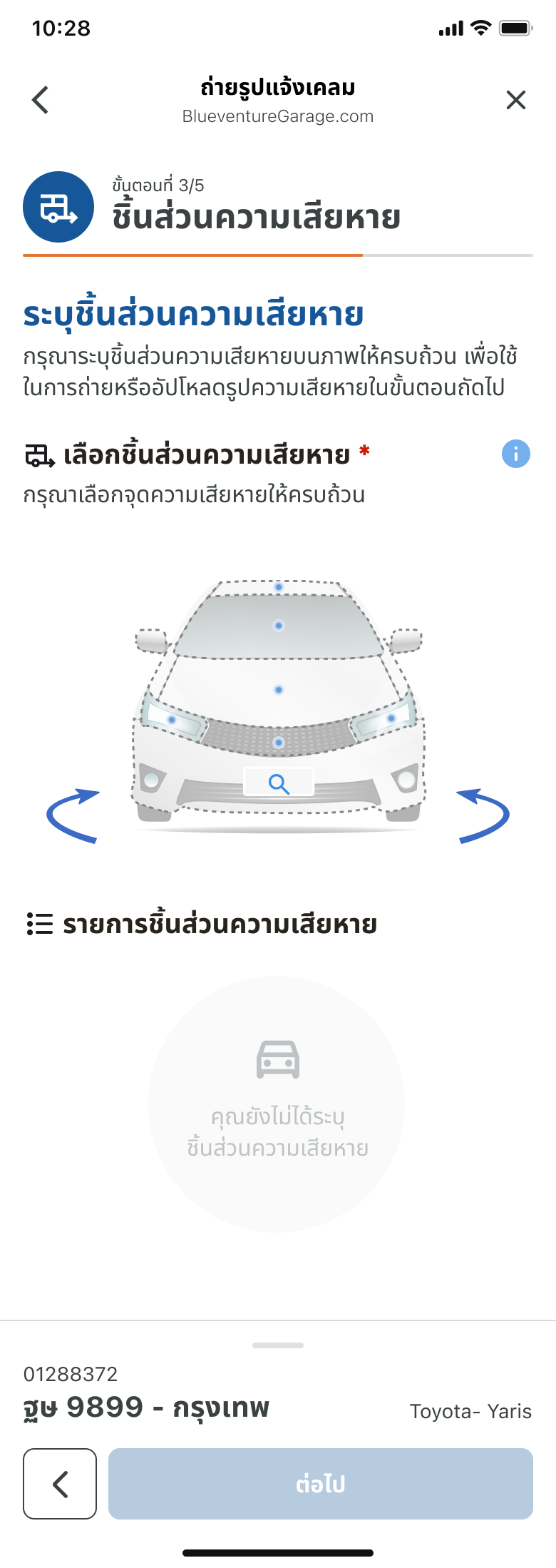
Choose damaged car parts.
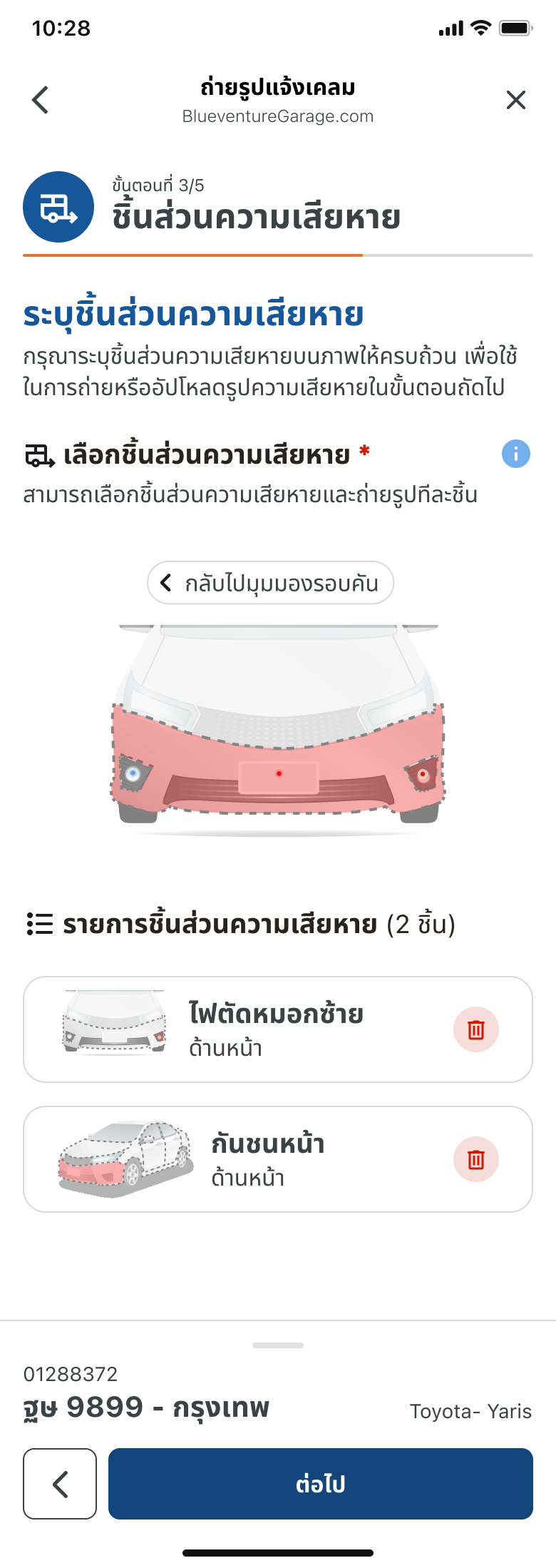
When parts have been chosen.
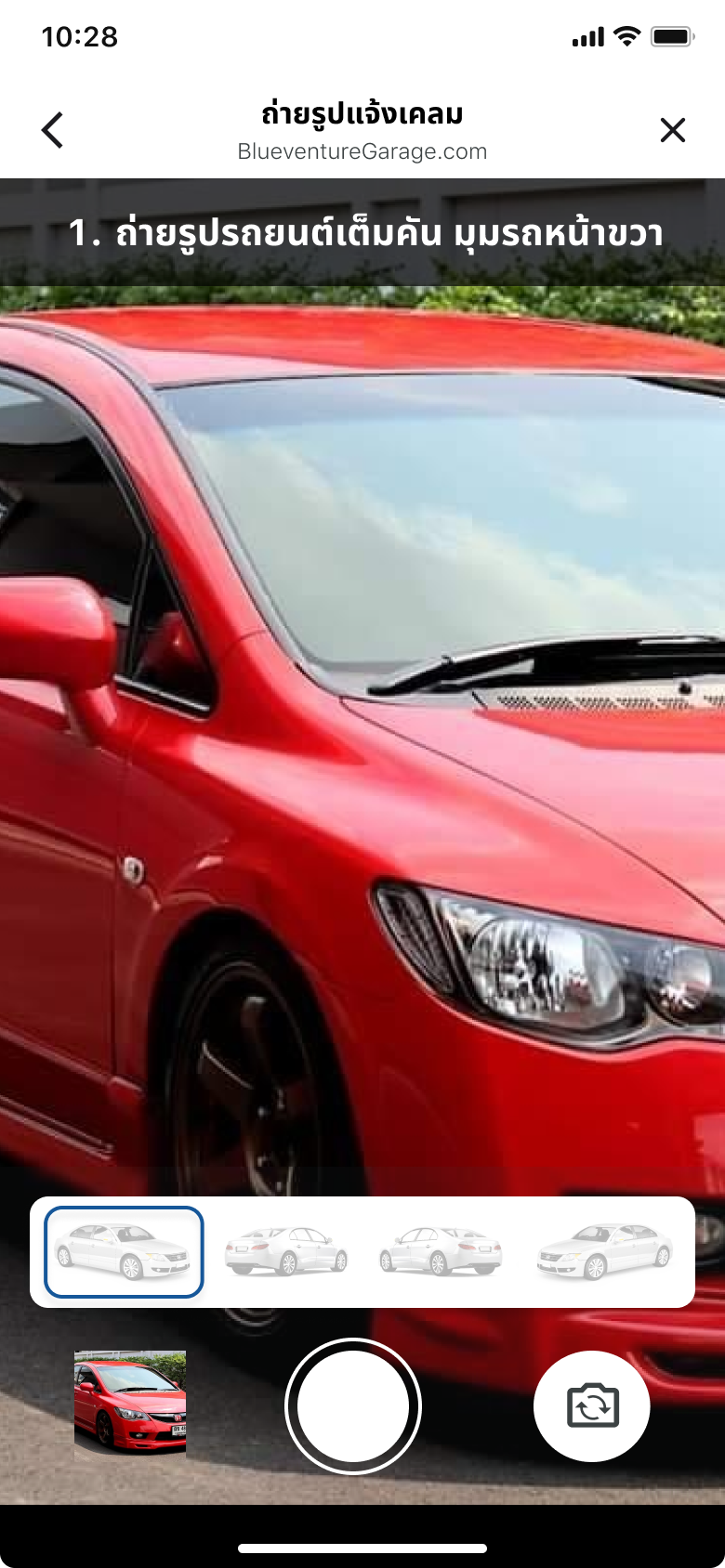
Camera screen for taking photos.
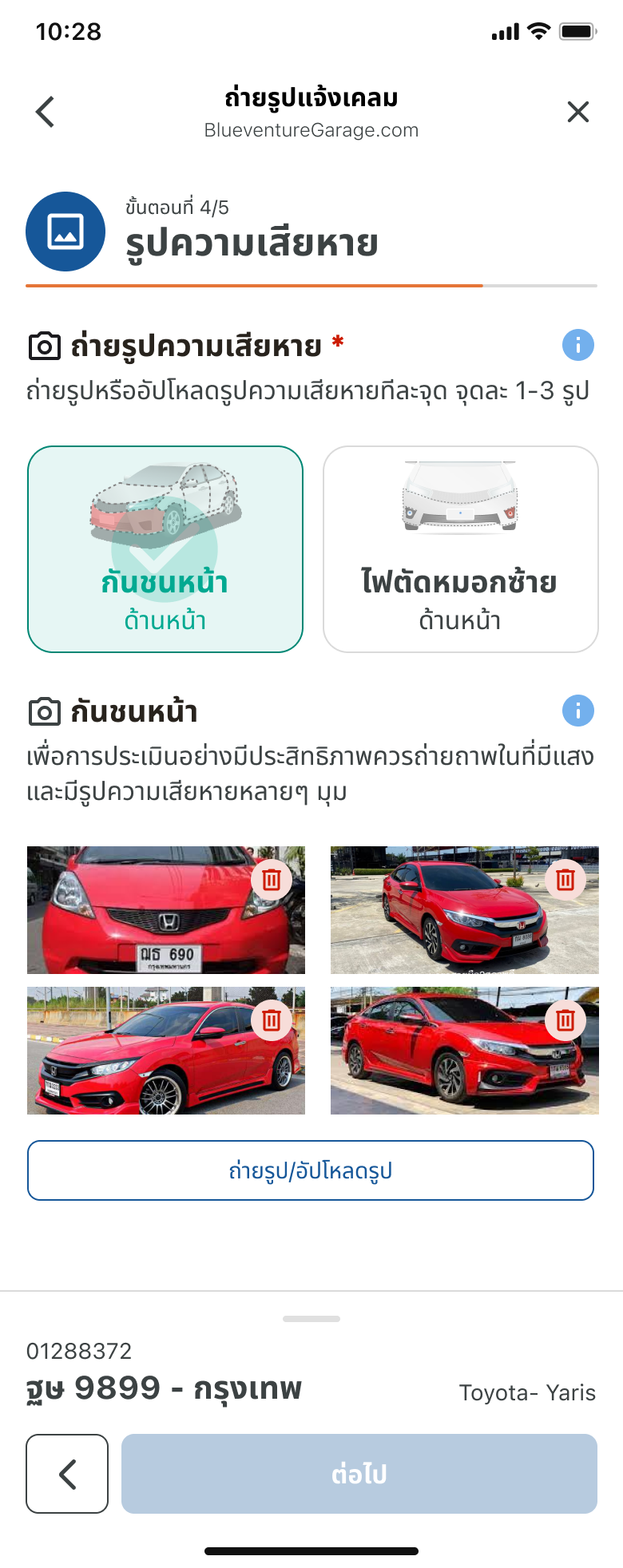
Car damage photos of each parts.
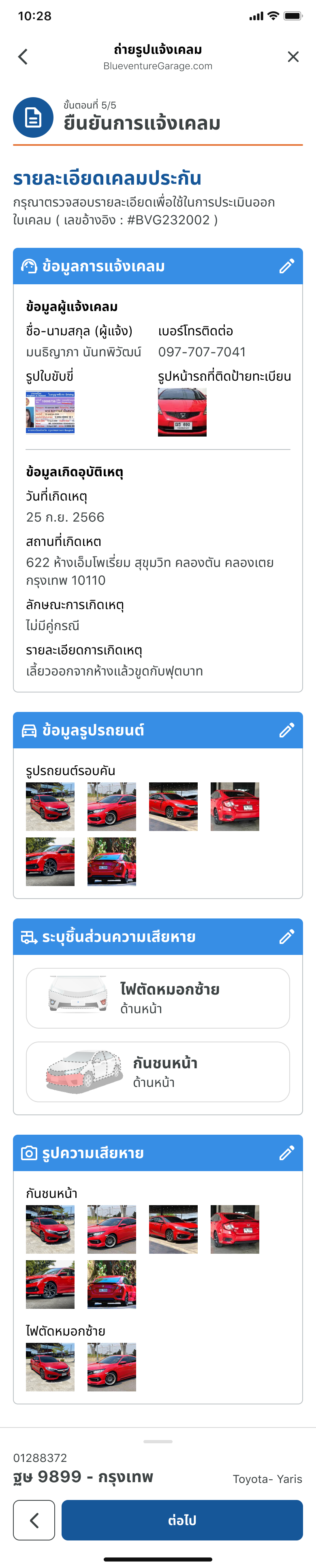
Summary screen.
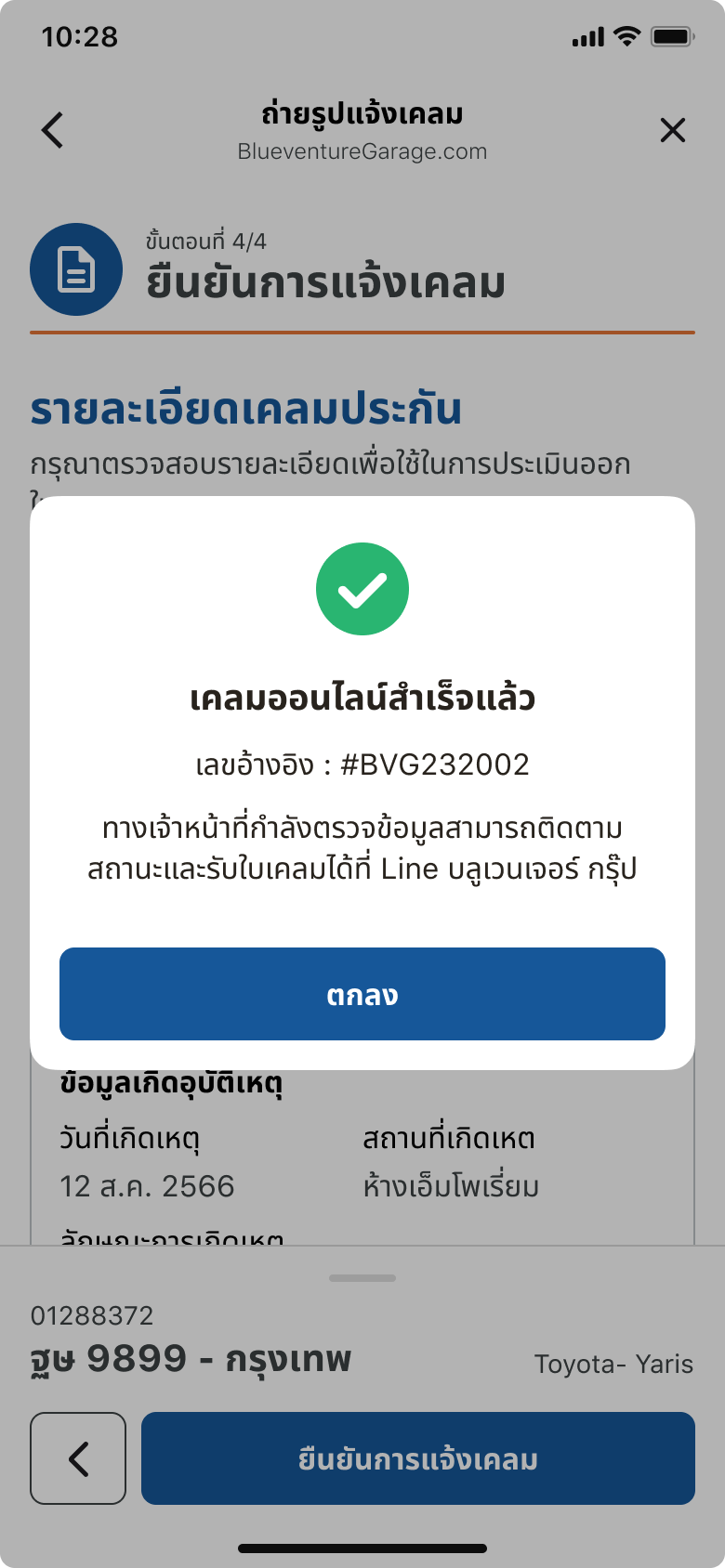
Confirmed pop-up.
Find Room for Improvement Through Usability Testing
We planned to do usability testing by using a video conference for a faster and more flexible time for interviewers and participants. However, testing with this method may not completely capture the behavior and gestures of the participants. Instead, we tried to observe them by seeing their face and listening to their tone of voice, we also could follow the participants’ actions through each screen when they were doing our tasks in Figma’s prototype.
A usability plan included objectives, methodology, team members, schedule for testing, test method, a link for testing, questions, script, evaluation criteria, the rewards for participating, and participants.
Participants
Finding the participants for this usability testing was the same as before, but they must be a person who has qualifications that match our persona. This time we got 5 participants who could test our product.
The qualifications
Own a car and a policy that has not expired.
Working-age people who regularly drive a car.
Requested a claim by self-claim at least once.
Scenario and Questions
We created a story to illustrate the situation of when they have a car accident and need to request a claim by using a self-claim as a method. Then, we gave them tasks to finish.
This is a moderated usability testing, which participants could ask when they get stuck or need more details while doing tasks since each procedure has details and we would like to know what they think. Most of the questions were open-ended questions, and let them express their opinions freely.
Test Result
After we finished usability testing, the results, feedback, and ideas were summarized and organized into a report, which will be used for improvement in the next phase.
The test report consists of several sections.
Percentage of accomplishment for each task.
The screens that contain a problem.
The ideas for further improvement.
More insight from participants.
Other feedbacks
What I learned
I thought a person who owns a car and regularly drives should know about car parts names, but actually not. They were confused when I asked them to take a photo of a specific part. So, when designing a product, it’s better to keep in mind that the users have no product information.
People have anxiety and are frustrated if they have to provide too much sensitive information, which leads to a drop-off rate in the product.
Each insurance company doesn’t have an identical requirement when they request information for a claim. This is not just a car claim industry but includes all other types of insurance.